
Blog
How To Fix A Broken Pressure Washer Pump
Pressure washers are a handy tool for cleaning various surfaces, from driveways and decks to cars and outdoor furniture. But what happens when your pressure washer pump breaks?
A broken pressure washer pump can be a frustrating problem that can render your pressure washer useless. Without a functioning pump, you won’t be able to generate the necessary pressure to effectively clean dirty surfaces. This can result in wasted time and effort, not to mention a less-than-ideal cleaning job.
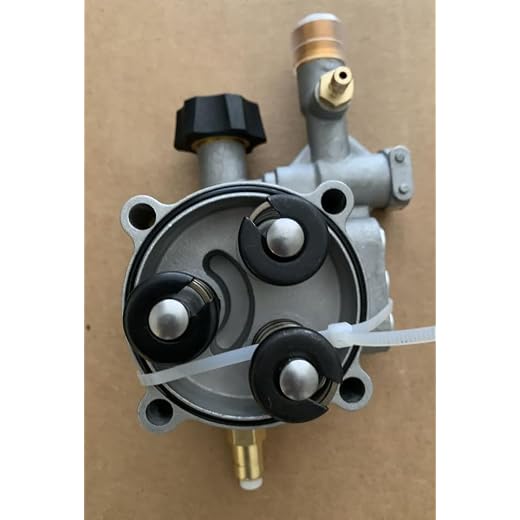
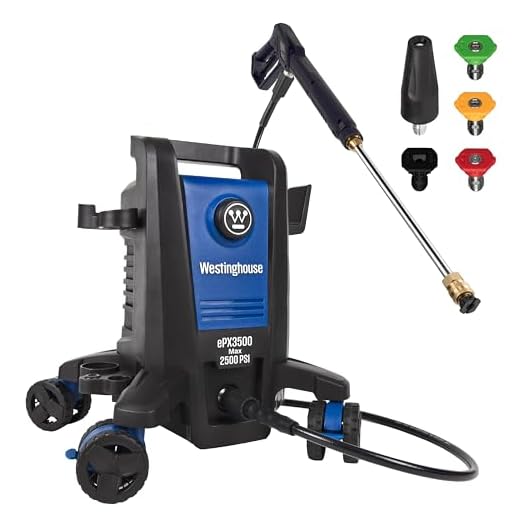

The good news is that many common pressure washer pump issues can be fixed with a little know-how and some basic tools. In this article, we will walk you through the process of diagnosing and repairing a broken pressure washer pump, so you can get back to cleaning in no time.
Identifying The Problem
Before you can begin to fix a broken pressure washer pump, it’s important to first identify the problem. There can be several issues that may be causing your pressure washer pump to malfunction. Some common problems include:
Lack of Pressure
If you’re experiencing low or no pressure when using your pressure washer, it could be an indication of a problem with the pump. This could be caused by a clogged nozzle, a worn-out pressure relief valve, or a faulty unloader valve.
Leaks
If you notice leaks coming from your pressure washer pump, it’s likely there’s a problem with the seals or gaskets. Over time, these components can wear out and cause leaks. It’s important to locate the source of the leak and replace the damaged parts.
One way to determine if your pressure washer pump is the cause of the leak is to inspect the pump oil. If the oil is milky or foamy, it’s a sign that water is getting into the pump and causing damage.
Loud Noises
If your pressure washer pump is making loud noises, it could indicate a problem with the bearings or seals. Over time, these parts can wear out and cause excessive noise during operation. It’s important to address this issue promptly to prevent further damage to the pump.
Note: It’s recommended to consult your pressure washer’s manual for troubleshooting tips specific to your model. Additionally, if you’re not confident in your ability to identify or fix the problem, it’s best to consult a professional.
| Problem | Possible Causes |
|---|---|
| Lack of Pressure | Clogged nozzle Worn-out pressure relief valve Faulty unloader valve |
| Leaks | Worn-out seals or gaskets Water in pump |
| Loud Noises | Worn-out bearings or seals |
Steps To Repair The Pump
Repairing a broken pressure washer pump may seem like a daunting task, but by following these steps, you can get your pump up and running again.
| Steps | Description |
|---|---|
| 1 | Disconnect the pump from the power source and relieve any pressure in the system. |
| 2 | Remove the pump from the pressure washer unit and place it on a stable work surface. |
| 3 | Inspect the pump for any visible damage or leaks. Identify the specific issue that needs to be repaired. |
| 4 | Disassemble the pump carefully, following the manufacturer’s instructions. Keep track of all removed parts. |
| 5 | Clean all the components thoroughly using a brush and degreaser to remove any dirt or debris. |
| 6 | Replace any damaged or worn-out parts with new ones. Ensure that the replacement parts are compatible with your pump. |
| 7 | Reassemble the pump, following the reverse order of disassembly. Make sure all parts are properly aligned and secure. |
| 8 | Once the pump is reassembled, reconnect it to the pressure washer unit and test it for proper functionality. |
| 9 | If the pump is still not working correctly, double-check all connections and repeat the steps as needed. |
Following these steps should help you repair your broken pressure washer pump and save you from having to buy a new one. Remember to always consult the manufacturer’s manual for specific instructions and safety guidelines.
Testing The Repaired Pump
Once you have repaired your pressure washer pump, it is important to test it before using it again. This will ensure that the pump is functioning properly and will help you identify any additional issues that may need to be addressed.
1. Connect the Pump to a Water Source
First, connect the pump to a water source, such as a garden hose. Make sure that all connections are secure and that there are no leaks.
2. Turn on the Pressure Washer
Next, turn on the pressure washer and allow the pump to build pressure. Check the pressure gauge to ensure that it is within the appropriate range for your machine.
3. Check for Proper Water Flow
Inspect the water flow coming from the pressure washer. It should be strong and consistent. If the flow is weak or irregular, there may still be an issue with the pump or another component.
4. Test the Pump’s Performance
To further test the pump’s performance, you can connect a spray gun or wand to the pressure washer. Spray water onto a surface and determine if the pressure is strong and consistent. If there are any sudden drops in pressure or irregular patterns, there may still be underlying issues with the pump.
By following these testing steps, you can ensure that your repaired pressure washer pump is working correctly and ready for use. If you encounter any issues during testing, it is advised to consult a professional for further assistance.
Maintenance Tips To Avoid Future Damage
To ensure your pressure washer pump continues to run smoothly and avoid future damage, there are a few maintenance tips you should follow:
| 1. Regular Cleaning | After each use, make sure to thoroughly clean your pressure washer, including the pump. Remove any dirt, debris, or chemicals that may have accumulated during operation. This will prevent clogging and extend the life of your pump. |
| 2. Proper Storage | When not in use, store your pressure washer in a clean, dry area. Protect it from extreme temperatures and moisture that could cause corrosion or damage to the pump components. |
| 3. Regular Inspections | Inspect your pressure washer pump regularly for any signs of wear and tear. Look for leaks, loose connections, or damaged parts. Address these issues promptly to prevent further damage. |
| 4. Lubrication | Apply lubrication to the pump’s moving parts as recommended by the manufacturer. This will reduce friction and help the pump operate more efficiently. |
| 5. Use Proper Detergents | Only use detergents that are specifically formulated for pressure washers. Using the wrong detergent can clog the pump and cause damage. Follow the manufacturer’s instructions for detergent usage. |
| 6. Avoid Overworking | Avoid running your pressure washer pump for extended periods or using it beyond its recommended capacity. Overworking the pump can cause excessive wear and lead to premature failure. |
By following these maintenance tips, you can prolong the life of your pressure washer pump and avoid costly repairs in the future.
Question-answer
What are some common signs that indicate a broken pressure washer pump?
Some common signs of a broken pressure washer pump include a loss of pressure, unusual noises coming from the pump, water leaks, and a failure to start.
Can I repair a broken pressure washer pump on my own?
It is possible to repair a broken pressure washer pump on your own, but it depends on the extent of the damage and your skill level. Some simple repairs, such as replacing worn seals or valves, can be done by homeowners. However, more complex issues may require professional help or complete pump replacement.
What are some preventive measures to keep a pressure washer pump from breaking?
To prevent a pressure washer pump from breaking, it is important to follow proper maintenance procedures. This includes checking and changing the oil regularly, cleaning and inspecting the pump for debris or blockages, and using the correct amount and type of detergent. Additionally, avoiding running the pressure washer for extended periods of time without giving it breaks can help prolong the lifespan of the pump.
How much does it usually cost to fix a broken pressure washer pump?
The cost to fix a broken pressure washer pump can vary depending on the extent of the damage and whether you choose to repair or replace the pump. Simple repairs such as replacing seals or valves may cost around $50-$100. If the pump needs to be replaced entirely, the cost can range from $200-$500, depending on the brand and model of the pressure washer.
What should I do if I suspect my pressure washer pump is broken?
If you suspect that your pressure washer pump is broken, the first step is to thoroughly inspect it for any visible signs of damage or leaks. You can also listen for any unusual noises when the pressure washer is running. If you are unsure of how to diagnose or fix the problem, it is best to consult the owner’s manual or contact a professional for assistance. Continuing to use a broken pump can potentially cause further damage and repair costs.
What are the common causes of a broken pressure washer pump?
The common causes of a broken pressure washer pump can include worn out seals, a clogged inlet, a cracked manifold, or a faulty unloader valve.