
Blog
How To Clean A Wood Deck With A Pressure Washer
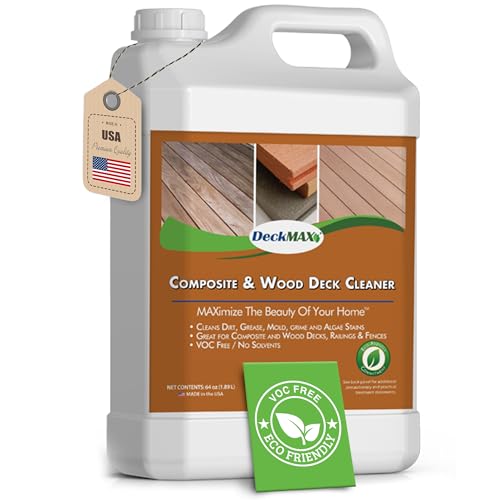
If you have a wood deck, you know how important it is to keep it clean and well-maintained. Over time, dirt, grime, and mold can build up on the surface, making it look dull and worn out. One of the most effective ways to clean a wood deck is by using a pressure washer. This powerful tool can remove stubborn stains, debris, and even old paint, restoring your deck to its former glory.
Before you begin, it’s important to note that using a pressure washer on a wood deck requires some caution. The high-pressure water stream can cause damage if not used properly. To avoid any unnecessary risks, it’s crucial to follow a few guidelines and take the necessary precautions.


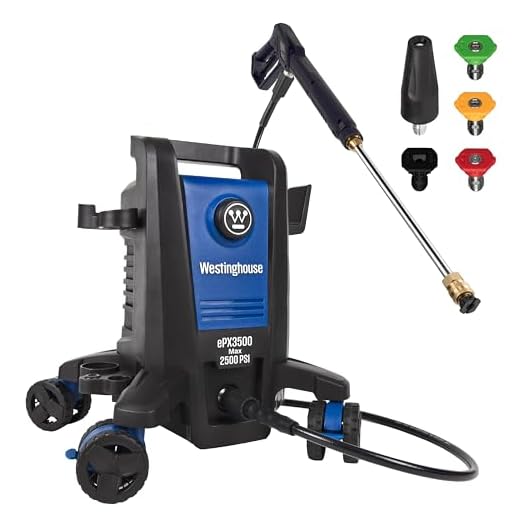
First, start by preparing the area around the wood deck. Clear away any furniture, plants, or other objects that might get in the way. Cover nearby plants and shrubs with plastic sheeting to protect them from the high-pressure water. Additionally, make sure to wear protective gear, such as safety goggles and gloves, to shield yourself from debris and water splashes.
Once you’re ready, begin by testing the pressure washer on a small, inconspicuous area of the deck to ensure that it doesn’t cause any damage. Adjust the pressure and spray pattern accordingly, depending on the condition of your deck and the intensity of the stains. It’s best to start with a lower pressure setting and gradually increase if necessary.
When you start cleaning the wood deck, work in small sections at a time, keeping the nozzle of the pressure washer about 12 inches away from the surface. Move the nozzle in a sweeping motion, following the wood grain to prevent any streaks. Be careful not to linger too long in one spot, as this can cause uneven cleaning or damage to the wood.
After you’ve finished cleaning the entire deck, allow it to dry thoroughly before applying any sealants or stains. This will ensure that the wood absorbs the protective coating evenly. Once the deck is dry, you can proceed with any necessary repairs or maintenance, such as replacing damaged boards or sanding out rough spots.
In conclusion, using a pressure washer to clean a wood deck can be a highly effective method, but it requires caution and attention to detail. By following the proper techniques and taking the necessary precautions, you can restore your deck to its natural beauty and extend its lifespan.
Cleaning a Wood Deck with a Pressure Washer
A wood deck is a beautiful addition to any outdoor living space, but over time, it can accumulate dirt, grime, mold, and mildew. To keep your deck looking its best and to prevent it from deteriorating, regular cleaning is essential. One effective method for cleaning a wood deck is to use a pressure washer.
Step 1: Preparing the Deck
Before using a pressure washer, it’s important to prepare your deck. Start by removing any furniture, plants, and other items from the deck. Sweep away loose leaves, dirt, and debris using a broom or leaf blower. Cover any nearby plants or delicate surfaces with plastic sheeting or tarps to protect them from the pressure washer spray. Finally, check the deck for any loose or damaged boards and make any necessary repairs.
Step 2: Choosing the Right Pressure Washer
Not all pressure washers are created equal, and using the wrong one can cause damage to your wood deck. It’s important to choose a pressure washer with an adjustable nozzle or pressure setting that can be dialed down to a lower pressure. Avoid using a pressure washer with a high PSI (pounds per square inch) as it can strip away the wood’s protective sealant.
Step 3: Cleaning the Deck
Once you have prepared your deck and chosen the right pressure washer, it’s time to start cleaning. Begin by wetting down the deck’s surface with water using a garden hose. This will help loosen and remove any surface dirt. Next, adjust the pressure washer’s nozzle or pressure setting to a low or medium pressure. Hold the pressure washer wand at a slight angle and keep it moving in a sweeping motion to avoid damaging the wood.
Start at one end of the deck and work your way across, overlapping each pass slightly to ensure even cleaning. Pay extra attention to areas with stubborn stains or dirt buildup. Be cautious around any painted or stained surfaces, as the pressure washer may remove or damage them. If you encounter tough stains, you may need to use a deck cleaner or a mild detergent mixed with water and apply it with a scrub brush before using the pressure washer.
Step 4: Rinse and Dry the Deck
After you have thoroughly cleaned the entire deck, it’s important to rinse away any remaining dirt and cleaning solution. Switch the pressure washer to a fan or wide spray pattern and rinse the deck from top to bottom. Be sure to remove all cleaning solution residue, as it can leave a film on the wood’s surface. Allow the deck to dry completely before returning any furniture or items to it.
| Tips | Warnings |
|---|---|
|
|
Preparing the Deck
Before you begin cleaning your wood deck with a pressure washer, it’s important to properly prepare the area. Taking the time to prepare the deck will ensure that the cleaning process goes smoothly and effectively.
1. Clear the Area
Start by removing any furniture, plants, or other items from the deck. This will give you a clear and unobstructed space to work with.
2. Sweep the Deck
Using a broom or a leaf blower, sweep the deck to remove any loose debris, such as leaves, dirt, sticks, and dust. This step will help prevent the pressure washer from pushing dirt or debris deeper into the wood.
3. Cover Sensitive Areas
If there are any sensitive areas on or around your deck that you want to protect, such as nearby plants or windows, cover them with plastic sheeting or tarps. This will help prevent any damage caused by the pressure washer.
4. Wet the Deck
Before applying any cleaning solution, wet the entire deck with water. This will help loosen the dirt and grime, making it easier for the pressure washer to remove them.
5. Mix the Cleaning Solution
If your deck requires a cleaning solution, mix it according to the manufacturer’s instructions. Be sure to use a cleaning solution specifically designed for use on wood surfaces.
6. Test the Pressure Washer
Before starting the actual cleaning process, test the pressure washer on a small, inconspicuous area of the deck. This will allow you to check the pressure and adjust it if needed.
7. Protect Yourself
Lastly, don’t forget to protect yourself by wearing safety goggles and gloves. The pressure washer can generate a lot of force and debris, so it’s important to take precautions to avoid injury.
By following these steps to prepare your deck, you’ll be ready to start the process of cleaning it with a pressure washer. Preparing the deck properly will help ensure a successful and thorough cleaning, leaving your wood deck looking fresh and rejuvenated.
Choosing the Right Pressure Washer
When it comes to cleaning a wood deck with a pressure washer, choosing the right equipment is essential. There are several factors to consider when deciding on the right pressure washer for the job.
The first thing to consider is the pressure rating of the pressure washer. Typically, for cleaning wood decks, a pressure washer with a rating between 1500 and 2500 PSI (pounds per square inch) is recommended. Higher pressure may cause damage to the wood, while lower pressure may not provide effective cleaning.
Another important factor to consider is the flow rate, measured in gallons per minute (GPM). A higher flow rate means more water is being expelled from the pressure washer, which can aid in effectively removing dirt and grime from the deck’s surface.
In addition to pressure and flow rate, the type of pressure washer is also important. There are two main types: gas-powered and electric-powered. Gas-powered pressure washers tend to have higher pressure ratings and flow rates, making them ideal for larger decks or more stubborn dirt and stains. Electric-powered pressure washers are generally more lightweight and easier to maneuver, making them a great choice for smaller decks or for those who may struggle with the weight of a gas-powered machine.
Lastly, consider any additional features or attachments that may be beneficial for cleaning a wood deck. Some pressure washers come with adjustable nozzles or spray patterns, which can provide more control over the pressure and reduce the risk of damaging the wood. Other pressure washers may have detergent tanks for adding cleaning solutions to aid in the removal of tough stains or mildew.
Overall, selecting the right pressure washer for cleaning a wood deck is vital to ensure thorough and effective results without causing damage. Take into account the pressure rating, flow rate, type of pressure washer, and any additional features to make an informed decision for your specific needs.
Using the Pressure Washer Safely
While pressure washers can be useful tools for cleaning a wood deck, it’s important to use them safely to avoid damaging the wood or causing injury. Here are some tips for using a pressure washer safely:
1. Read the instruction manual
Before using a pressure washer, be sure to read the instruction manual provided by the manufacturer. Familiarize yourself with the specific features and settings of the machine to ensure safe and proper use.
2. Wear protective gear
Always wear protective gear such as safety goggles, gloves, and closed-toe shoes when operating a pressure washer. This will help protect you from debris and high-pressure water spray.
3. Start with the lowest pressure setting
When cleaning a wood deck, begin with the lowest pressure setting on the pressure washer. This will minimize the risk of damaging the wood by using too much force. Gradually increase the pressure if needed, but be cautious not to exceed the recommended pressure for wood surfaces.
4. Maintain a safe distance
Keep a safe distance between the pressure washer nozzle and the wood deck. This will prevent the water from penetrating the wood too deeply and potentially causing damage. The recommended distance is usually around 12 inches.
5. Move the wand continuously
When using a pressure washer on a wood deck, it’s important to keep the wand moving at a steady pace. This will prevent any concentrated pressure in one area, which can lead to etching or gouging of the wood.
6. Test on an inconspicuous area
Before cleaning the entire wood deck, test the pressure washer on a small, inconspicuous area. This will allow you to ensure that the pressure and technique are appropriate for your specific deck without causing any significant damage.
| Pressure Washer Safety Tips: |
|---|
| • Always follow manufacturer’s instructions |
| • Use protective gear |
| • Start with lowest pressure setting |
| • Maintain a safe distance |
| • Keep the wand moving |
| • Test on an inconspicuous area |
By following these safety tips, you can use a pressure washer effectively and safely clean your wood deck without causing any damage.
Cleaning and Removing Dirt
Before using a pressure washer, it’s important to remove any loose debris from your wood deck. Start by sweeping the deck with a broom to remove leaves, dirt, and other loose particles. This will prevent the pressure washer from pushing these particles deeper into the wood and potentially causing damage.
Once the deck is swept, you can use a stiff brush or a deck cleaning solution to remove any stubborn dirt or stains. Apply the cleaning solution according to the manufacturer’s instructions and scrub the deck using a circular motion. This will help to loosen and lift the dirt from the wood.
After scrubbing, rinse the deck with water to remove any leftover cleaning solution. This can be done with a garden hose or by using the pressure washer on a low setting. Be sure to rinse the deck thoroughly, ensuring that all cleaning solution and dirt are removed.
If there are any particularly tough stains or stubborn dirt, you may need to use a pressure washer to remove them. Use a pressure washer with a wide spray pattern and start with a low pressure setting. Test a small, inconspicuous area first to ensure that the pressure does not damage the wood.
When using the pressure washer, keep the nozzle at least 12 inches away from the wood and use a sweeping motion to clean the deck evenly. Avoid using too much pressure, as this can damage the wood. Move slowly and methodically, paying extra attention to areas with heavy dirt or stains.
Once you have finished using the pressure washer, allow the deck to dry completely before applying any stains or sealants. This will ensure that the wood is clean and ready to be treated, helping to prolong its lifespan and maintain its appearance.
Finishing and Maintaining the Deck
After cleaning your wood deck with a pressure washer, it is important to finish and maintain the deck to protect it from damage and keep it looking its best. Here are some tips for finishing and maintaining your deck:
1. Staining or Sealing
One of the most important steps in finishing a wood deck is applying a stain or sealant. This will provide a protective barrier against water damage, UV rays, and general wear and tear. Choose a high-quality deck stain or sealant that is specifically designed for exterior wood surfaces. Apply the product according to the manufacturer’s instructions and allow it to dry completely before using the deck.
2. Regular Cleaning
To maintain the appearance and longevity of your wood deck, regular cleaning is essential. Use a mild detergent mixed with water and a soft-bristle brush to scrub away dirt, grime, and any stains that may have accumulated. Rinse the deck thoroughly with a garden hose, making sure to remove all traces of the cleaning solution. Regular cleaning will help prevent the growth of mold, mildew, and algae.
| Tip: | If you prefer using a pressure washer for regular cleaning, be sure to use a low-pressure nozzle and keep the wand at a safe distance from the wood surface to avoid causing any damage. |
|---|
Be cautious when using a pressure washer for regular cleaning, as it can cause damage to the wood if not used properly.
3. Inspect and Repair
Regularly inspect your deck for any signs of damage, such as loose boards, cracks, or splintering. If you notice any issues, address them promptly to prevent further damage and ensure the safety of those using the deck. Tighten loose boards, fill in cracks or gaps with an appropriate wood filler, and sand down any splintered areas. Consider applying a fresh coat of stain or sealant to these repaired areas for added protection.
4. Protect from the Elements
Wood decks are exposed to the elements year-round, which can cause them to weather and deteriorate. Minimize the deck’s exposure to direct sunlight, rainfall, and snow by providing shade with outdoor umbrellas or awnings. During the winter months, consider using a cover or tarp to protect the deck from snow and ice accumulation. Doing so will help extend the lifespan of your deck and reduce the frequency of maintenance required.
Following these tips for finishing and maintaining your wood deck will ensure that it stays in top condition and provides you with many years of enjoyment.
Questions and answers
What is the best way to clean a wood deck?
The best way to clean a wood deck is to use a pressure washer. It can remove dirt, grime, and moss effectively.
Is it necessary to use a pressure washer to clean a wood deck?
No, it is not necessary to use a pressure washer. You can also clean a wood deck using a scrub brush and a mild detergent. However, a pressure washer can make the job easier and more efficient.
Can I damage my wood deck if I use a pressure washer?
Yes, if you use a pressure washer with too much pressure or hold it too close to the wood surface, you can damage your wood deck. It is important to follow the manufacturer’s instructions and start with a low pressure setting.
What type of detergent should I use with a pressure washer to clean my wood deck?
You should use a mild detergent specifically designed for use with a pressure washer. Avoid using harsh chemicals or bleach as they can damage the wood.
When is the best time to clean a wood deck with a pressure washer?
The best time to clean a wood deck with a pressure washer is in the spring or fall when the weather is mild and there is less chance of rain. It is important to choose a dry day to allow the deck to dry completely after cleaning.
Why should I clean my wood deck with a pressure washer?
Regular cleaning with a pressure washer helps remove dirt, grime, mold, and mildew from the wood surface, keeping it looking clean and extending its lifespan.