
Blog
Why Is My Pressure Washer Wand Leaking
Pressure washers are incredibly useful tools for cleaning a variety of surfaces, from driveways to decks. One of the key components of a pressure washer is the wand, which delivers the powerful stream of water that does the cleaning. However, if you’ve noticed that your pressure washer wand is leaking, it can be a frustrating problem to deal with.
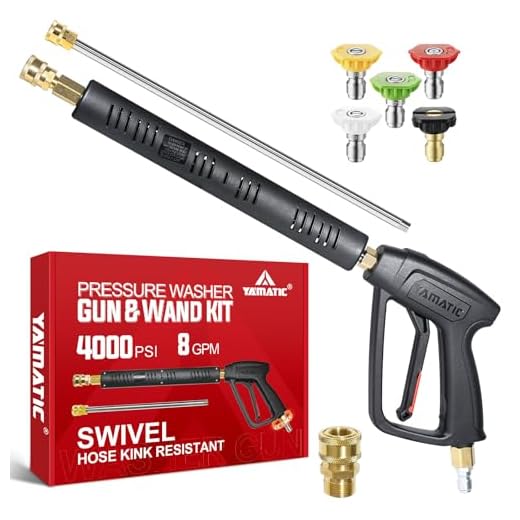
There are several possible reasons why your pressure washer wand may be leaking. The first thing to check is the wand itself. Inspect it for any visible cracks or damage that may be causing the leak. If you find any, you may need to replace the wand entirely.
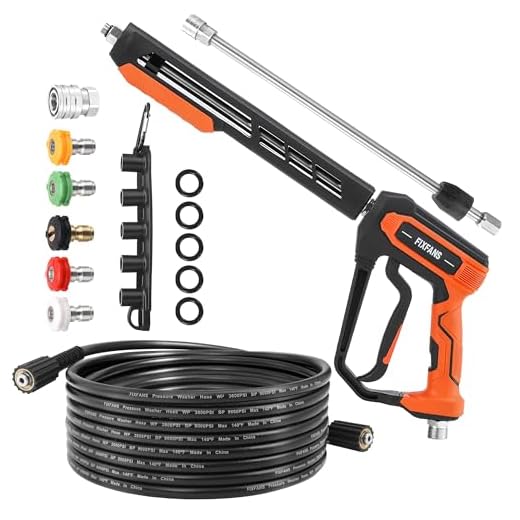
Another potential cause of a leaking wand is a faulty connection between the wand and the hose. Over time, the connection can become loose or worn, allowing water to escape. To fix this issue, make sure the connection is tight and secure. If the connection is damaged, you may need to replace the hose.
In some cases, the leak may be caused by a worn or damaged seal inside the wand. These seals can wear out over time and need to be replaced. Check the seals for any signs of wear or damage, and replace them if necessary. It’s also a good idea to regularly inspect and maintain your pressure washer to prevent leaks and other issues from occurring.


By identifying the cause of your pressure washer wand leak and taking the necessary steps to fix it, you can ensure your pressure washer remains in good working condition and continues to deliver the high-pressure stream of water you need for effective cleaning.
Common Causes of Pressure Washer Wand Leaking
If you have noticed that your pressure washer wand is leaking, there are several common causes that you should be aware of. Understanding these causes can help you diagnose and address the issue effectively.
1. Damaged O-rings: O-rings are small rubber seals that create a watertight seal between the wand and the nozzle or other connections. Over time, these O-rings can become worn or damaged, causing leaks. Inspect and replace any damaged O-rings to solve the issue.
2. Loose fittings: The connections between the wand, hose, and other components can become loose over time, leading to leaks. Check all fittings and connections and tighten them if necessary to prevent leaks.
3. Cracked or damaged wand: If the wand itself is cracked or damaged, it can cause leaking. Inspect the wand for any visible cracks or signs of damage. If necessary, replace the wand to eliminate the leaks.
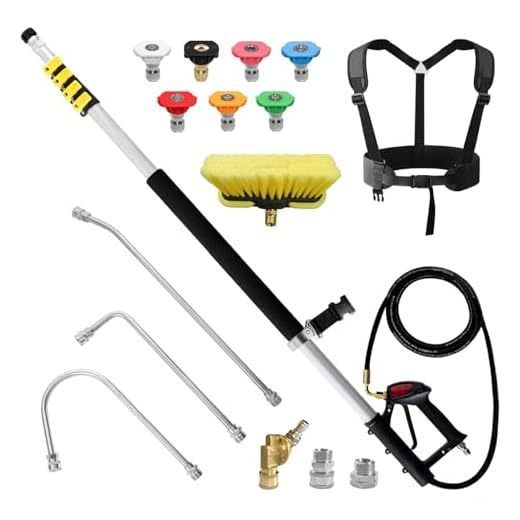
4. Faulty wand trigger: The trigger on the wand can also be a source of leaks. If the trigger is not functioning properly or is damaged, it may not create a proper seal, leading to leaks. Consider replacing the trigger mechanism to resolve the issue.
5. Water pressure issues: In some cases, the leaking may be caused by excessive water pressure. Check the pressure settings on your pressure washer and adjust them if necessary to prevent leaks.
Remember, safety should be your top priority when working with pressure washers. Always follow the manufacturer’s instructions and consult a professional if you are unsure how to address any issues.
Damaged or Worn O-Rings
A common cause of pressure washer wand leaks is damaged or worn O-rings. O-rings are small rubber seals that create a tight seal between the different parts of the wand. Over time, these O-rings can become worn or damaged, resulting in leaks.
To check if the O-rings are the problem, inspect the wand carefully. Look for any signs of wear or damage on the O-rings. They may appear cracked, torn, or flattened. If you notice any issues with the O-rings, they will need to be replaced.
Replacing the O-rings is a relatively simple process. First, make sure you have the correct replacement O-rings for your specific pressure washer model. Next, remove the old O-rings from the wand, taking note of their original placement. Clean the area thoroughly to remove any dirt or debris. Finally, install the new O-rings, making sure they are properly positioned and seated.
Regular maintenance and inspection of the O-rings can help prevent leaks and extend the life of your pressure washer wand. It is recommended to check and replace the O-rings as needed to ensure optimal performance.
Remember to always follow the manufacturer’s instructions and safety guidelines when working with pressure washers.
Loose or Faulty Connections
If you have noticed that your pressure washer wand is leaking, one possible cause could be loose or faulty connections. Over time, the fittings and connections on your pressure washer wand may become loose or worn out, causing water leakage.
To check for loose connections, first, turn off the pressure washer and make sure it is not connected to a power source. Examine the wand and the hose connections to see if any fittings or connectors are loose. If you find any loose connections, tighten them using a wrench or pliers to secure them.

In some cases, the connections may be faulty or damaged. Inspect the fittings for any signs of cracks, corrosion, or damage. If you notice any issues with the connections, it is best to replace them. Visit your local hardware store or contact the manufacturer for replacement parts.
Remember to always follow the manufacturer’s instructions when installing or replacing connections on your pressure washer wand. Proper installation will ensure a tight and secure fit, preventing any water leakage.
Clogged Nozzle or Spray Tip
If your pressure washer wand is leaking, one possible cause could be a clogged nozzle or spray tip. Over time, debris, dirt, or mineral deposits can accumulate in the nozzle or spray tip, causing a blockage that disrupts the spray pattern and creates leaks.
To check if the nozzle or spray tip is clogged, you can remove it from the wand and inspect it. Look for any visible blockages or signs of build-up. If you notice any debris, you can use a small brush or a paperclip to gently remove it. It’s important to be careful not to damage the nozzle or spray tip while cleaning.
If cleaning the nozzle or spray tip doesn’t solve the issue, you may need to replace it with a new one. Nozzles and spray tips are typically inexpensive and easy to find at home improvement stores or online.
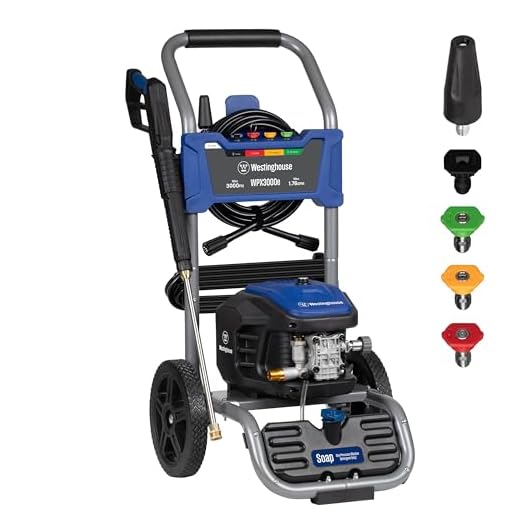
Remember to always turn off your pressure washer and release any built-up pressure before attempting to remove or clean the nozzle or spray tip. This will help ensure your safety and prevent any accidents.
Regular maintenance and cleaning of your pressure washer’s nozzle or spray tip can help prevent leaks and ensure optimal performance.
Cracked or Split Wand
If your pressure washer wand is leaking, one possible cause could be a cracked or split wand. Over time, the wand can become worn or damaged, leading to cracks or splits that allow water to escape.
To check if your wand is cracked or split, carefully inspect the entire length of the wand for any visible signs of damage. Look for any visible cracks, splits, or holes. Pay attention to areas where the wand may have been dropped or accidentally hit against a hard surface.
If you find any cracks or splits, it’s important to replace the wand as soon as possible. Continuing to use a cracked or split wand can not only result in a loss of pressure, but it can also pose a safety hazard. A weakened wand could potentially break while in use, causing injury to the operator or those nearby.
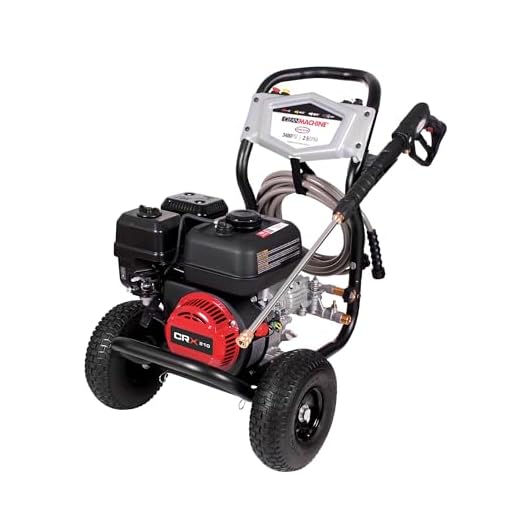
To prevent future cracking or splitting, be sure to handle your pressure washer wand with care. Avoid dropping it or hitting it against hard surfaces. Additionally, storing the wand in a safe place when not in use can help protect it from accidental damage.
If you’re unsure about how to replace the wand or need assistance in finding a compatible replacement, consult the user manual for your pressure washer or reach out to the manufacturer for guidance. They will be able to provide you with the necessary information and ensure that you find the correct replacement wand for your specific pressure washer model.
High Pressure Setting or Overuse
One possible reason for a pressure washer wand leaking is if it is being used at a high pressure setting or if it is being overused.
When a pressure washer is set to a high pressure setting, it puts more strain on the wand and its components. This increased pressure can lead to wear and tear on the seals and connections, causing them to become less effective at preventing leaks.
Additionally, if a pressure washer wand is being used for prolonged periods of time without breaks, it can overheat and cause the seals to degrade, resulting in leaks.

To avoid these issues, it is important to use the pressure washer at the appropriate pressure setting for the task at hand. It is also recommended to take breaks during extended use to allow the wand to cool down and prevent overheating.
If the pressure washer wand is already leaking, it may be necessary to replace the worn-out seals or connectors. It is important to regularly inspect and maintain the wand to prevent any potential leaks.
Incorrect Use or Maintenance
One possible reason why your pressure washer wand is leaking is due to incorrect use or maintenance. Here are a few factors to consider:
1. Not Following Proper Operating Instructions
When using a pressure washer, it’s crucial to read and follow the manufacturer’s instructions carefully. Failure to do so can lead to incorrect use, resulting in leaks. Make sure you understand how to properly assemble and disassemble the wand, as well as how to operate it safely and effectively.
2. Overuse or Overpressurization
Excessive or prolonged use of the pressure washer can cause wear and tear, leading to leaks. If you’re using the pressure washer for an extended period of time or applying too much pressure, it can put unnecessary strain on the wand and its components. Similarly, exceeding the recommended pressure can cause damage to the wand and result in leaks.
3. Lack of Proper Maintenance
Proper maintenance is essential for keeping your pressure washer wand in optimal condition. Neglecting regular maintenance tasks, such as cleaning and lubricating the wand, can cause it to deteriorate over time, leading to leaks. Make sure to clean your wand after each use and inspect it for any signs of damage. Additionally, keep an eye on the seals and O-rings and replace them if they appear worn or damaged.
By following the proper operating instructions, avoiding overuse or overpressurization, and performing regular maintenance, you can minimize the chances of your pressure washer wand leaking. However, if the problem persists, it’s always recommended to consult a professional or contact the manufacturer for further assistance.
Questions and answers
Why is my pressure washer wand leaking?
A pressure washer wand may be leaking due to a worn or damaged O-ring, a loose connection, or a damaged wand.
How can I fix a leaking pressure washer wand?
To fix a leaking pressure washer wand, you can try replacing the O-ring, tightening any loose connections, or replacing the wand if it is damaged.
What is an O-ring?
An O-ring is a round rubber seal that fits around the connections on a pressure washer wand to prevent leaks. It can wear out over time and may need to be replaced.
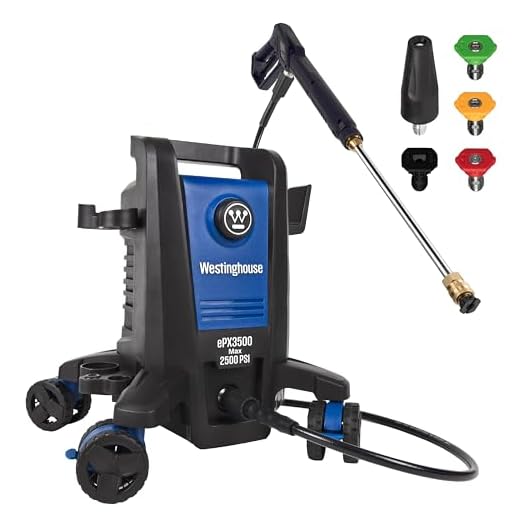
Can I replace an O-ring myself?
Yes, you can replace an O-ring yourself. Simply remove the old O-ring, clean the area, and install a new O-ring in its place. Make sure to choose the correct size and material for your pressure washer wand.
What should I do if tightening the connections doesn’t stop the leak?
If tightening the connections on your pressure washer wand doesn’t stop the leak, you may need to replace the O-ring or the entire wand if it is damaged. It’s also a good idea to check for any cracks or other signs of damage on the wand itself.
Why is my pressure washer wand leaking?
There could be several reasons why your pressure washer wand is leaking. One possibility is that the wand’s O-rings or seals are worn out or damaged. Another possible reason is that the connection between the wand and the hose is not tight enough. Additionally, a clogged nozzle or a cracked wand could also cause leakage. It’s important to inspect and identify the specific issue in order to fix it properly.