
Blog
What Psi Pressure Washer Should I Buy

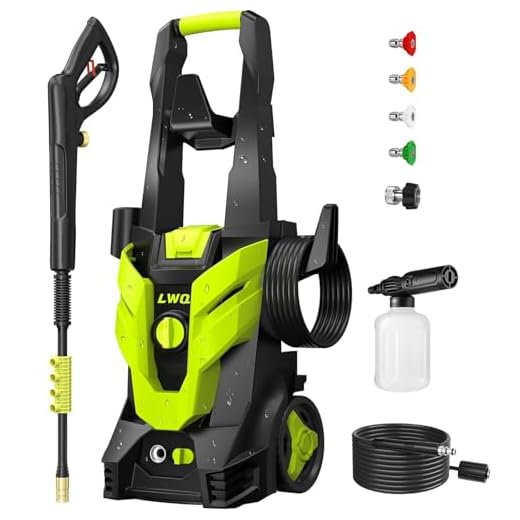
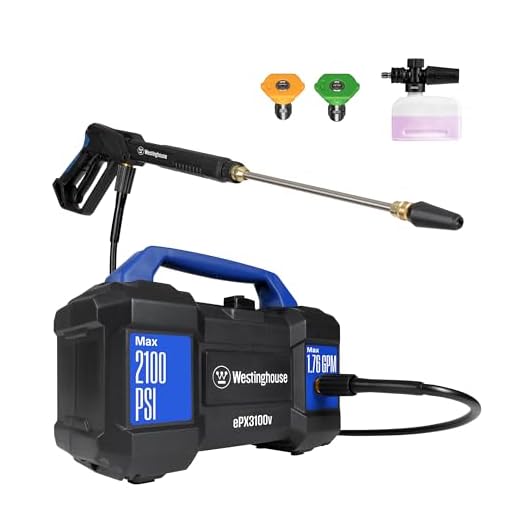

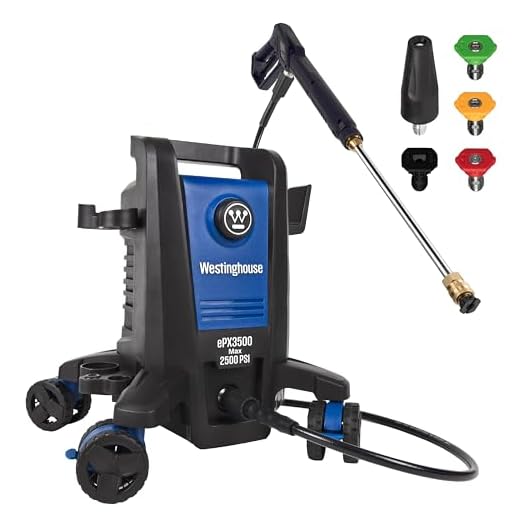
If you’ve got a dirty driveway, grimy siding, or a dirty deck, chances are you’ve considered buying a pressure washer. However, with so many options on the market, it can be overwhelming to know what psi pressure washer is right for you.
The psi, or pounds per square inch, is a measurement that indicates the intensity of water pressure that a pressure washer can produce. The higher the psi, the more powerful the pressure washer. But do you really need the most powerful one?
When deciding what psi pressure washer to buy, it’s important to consider the tasks you’ll be using it for. If you’re just planning on using it for light-duty cleaning around the house, such as washing your car or cleaning patio furniture, a pressure washer with a lower psi, around 1500-2000, will be sufficient.
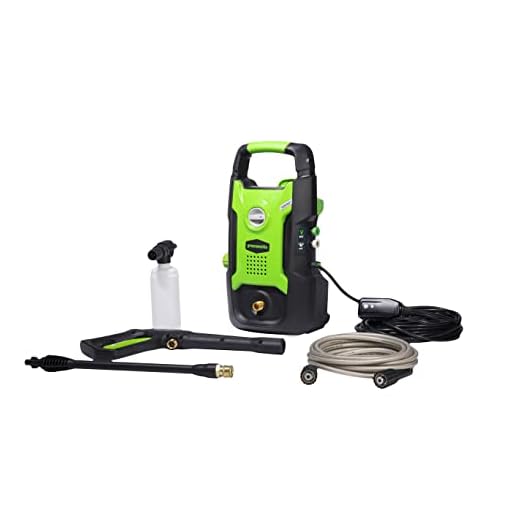
On the other hand, if you have heavy-duty cleaning tasks, such as removing grease from concrete or stripping paint, you’ll want a pressure washer with a higher psi, around 3000 or more. This high psi will ensure that you have enough power to tackle the toughest jobs.
Choosing the Right Pressure Washer PSI
When it comes to choosing a pressure washer, one of the most important factors to consider is the PSI (pounds per square inch) rating. The PSI rating determines the power and cleaning ability of the pressure washer, so it is crucial to choose the right PSI for your specific cleaning needs.
Understanding PSI
PSI refers to the amount of pressure the pressure washer can produce. A higher PSI means more pressure, which translates to more cleaning power. However, it is also important to note that higher PSI can also lead to more potential damage, especially on delicate surfaces.
For general home use, a pressure washer with a PSI rating between 1,300 and 2,400 is usually sufficient. This range is ideal for tasks such as cleaning patio furniture, decks, sidewalks, and cars.
Determining Your Cleaning Needs
To determine the right PSI for your cleaning needs, consider the type of surfaces you will be cleaning and the level of dirt and grime you will be dealing with.
- If you are mainly cleaning small outdoor surfaces and vehicles, a pressure washer with a PSI rating between 1,300 and 1,600 is suitable.
- For medium-sized jobs and moderately dirty surfaces, a PSI rating between 1,700 and 2,400 would be more appropriate.
- For heavy-duty cleaning tasks and heavily soiled surfaces, a pressure washer with a PSI rating of 2,400 or higher would be recommended.
It’s important to remember that higher PSI doesn’t always mean better. If you opt for a pressure washer with a high PSI rating when it isn’t necessary, you may risk damaging the surfaces you are trying to clean.
Consider Additional Factors
While PSI is an important factor to consider, there are other factors to keep in mind when choosing a pressure washer:
- Flow rate: The flow rate, measured in gallons per minute (GPM), determines how quickly the pressure washer can clean. A higher flow rate can help wash away dirt and debris more effectively.
- Nozzle selection: Different nozzles provide different spray patterns and pressures. It’s important to choose the right nozzle for the task at hand.
- Portability: Consider the weight and maneuverability of the pressure washer, especially if you will be using it for extended periods or in hard-to-reach areas.
- Price: Set a budget and compare the features and capabilities of pressure washers within your price range.
By considering these factors and choosing the right PSI for your cleaning needs, you can ensure that you invest in a pressure washer that is effective and efficient for your specific tasks.
Factors to Consider when Buying a Pressure Washer with the Right PSI
Choosing the right pressure washer with the correct PSI (pounds per square inch) is vital for getting the job done effectively and efficiently. Here are several factors to consider when buying a pressure washer:
Determine the Intended Use
First and foremost, you need to determine the intended use of the pressure washer. If you are planning to use it for light household tasks such as cleaning your car or patio furniture, a pressure washer with a lower PSI (around 1000-2000 PSI) should suffice. On the other hand, if you are tackling tougher jobs like removing built-up grime on driveways or cleaning the exterior of your house, you will need a higher PSI (around 2500-3000 PSI).
Consider the Surface and Material
The surface and material you will be cleaning also play a role in determining the right PSI. For delicate surfaces like wood or glass, a pressure washer with a lower PSI is recommended to prevent any damage. For tougher surfaces like concrete or brick, a higher PSI is needed to effectively remove dirt and stains. Additionally, different materials may require different nozzle attachments to achieve the best results.
Evaluate the Water Flow Rate
The water flow rate, measured in gallons per minute (GPM), is another important factor to consider. A higher GPM means more water is delivered to the surface, which can help wash away dirt and debris more efficiently. Combine a higher GPM with the appropriate PSI for optimal cleaning power.
Budget and Brand
Lastly, don’t forget to take your budget into account when purchasing a pressure washer. Determine how much you are willing to spend and look for models within that price range. It is also advisable to choose a reputable brand known for producing high-quality pressure washers to ensure durability and reliability.
In conclusion, when buying a pressure washer with the right PSI, considering the intended use, surface and material, water flow rate, budget, and brand are essential. By taking these factors into account, you can make an informed decision and find a pressure washer that meets your specific needs and requirements.
Benefits of Choosing the Correct PSI for Your Pressure Washer
Choosing the correct PSI (pounds per square inch) for your pressure washer is crucial to ensure optimal performance and efficiency. Here are some benefits of selecting the right PSI for your pressure washer:
1. Effective Cleaning: The correct PSI ensures that your pressure washer provides enough force to remove dirt, grime, and stains from various surfaces. With the right PSI, you can achieve a deep and thorough cleaning, saving time and effort in the process.
2. Protection of Surfaces: Using the correct PSI helps prevent damage to the surfaces you are cleaning. Too high of a PSI can result in etching or chipping on delicate surfaces, while too low of a PSI may not effectively clean tougher stains. By selecting the appropriate PSI, you can avoid causing any unnecessary harm to the surfaces you are working on.
3. Increased Efficiency: Choosing the right PSI for your pressure washer ensures that you are using the right amount of power for the task at hand. This optimal pressure not only improves the effectiveness of your cleaning but also helps conserve water and energy. By using the correct PSI, you can complete your cleaning tasks more efficiently and with less waste.
4. Longer Equipment Lifespan: Using the right PSI helps prolong the lifespan of your pressure washer. Operating it at an incorrect pressure can put unnecessary strain on the pump, hoses, and other components, leading to premature wear and tear. By selecting the appropriate PSI for your machine, you can ensure that it operates within its intended limits, extending its overall lifespan.

5. Versatile Usage: Different cleaning applications require different levels of pressure. By choosing a pressure washer with adjustable PSI settings, you can tackle a wide range of cleaning tasks. Whether you need a lower PSI for gentle washing or a higher PSI for tough stains, having the ability to adjust the pressure allows for versatile usage.
In conclusion, choosing the correct PSI for your pressure washer offers several benefits, including effective cleaning, surface protection, increased efficiency, longer equipment lifespan, and versatile usage. It is essential to consider the specific cleaning tasks you will be undertaking and select a pressure washer with the appropriate PSI range to ensure optimal performance and results.
Recommended Pressure Washer PSI Range for Different Cleaning Tasks
When it comes to pressure washers, choosing the right PSI (pounds per square inch) range is essential for achieving optimal cleaning results. Different cleaning tasks require different levels of pressure, so it’s important to know the recommended PSI range for each task.
For light-duty tasks such as washing cars, patio furniture, or small decks, a pressure washer with a PSI range of 1,200 to 1,500 is typically sufficient. This level of pressure is gentle enough to avoid damaging delicate surfaces while still providing enough power to remove dirt and grime effectively.
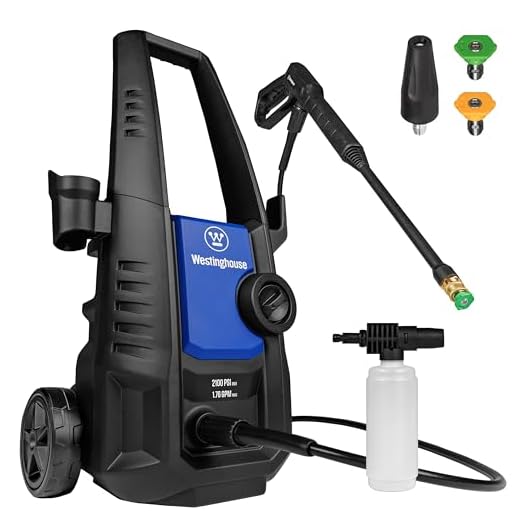
Medium-duty tasks, such as cleaning driveways, sidewalks, or larger decks, usually require a pressure washer with a PSI range of 1,800 to 2,300. This higher level of pressure is necessary to tackle tougher stains and remove built-up dirt and grime from larger surfaces.
For heavy-duty tasks like stripping paint, removing graffiti, or cleaning large commercial areas, a pressure washer with a PSI range of 2,500 to 4,000 is recommended. The high pressure in this range can quickly and effectively remove stubborn stains and debris.
It’s important to note that while higher PSI levels can provide more cleaning power, they also come with a higher risk of damaging surfaces. For delicate surfaces, it’s always best to start with the lowest pressure setting and gradually increase if necessary.
By choosing a pressure washer with the recommended PSI range for your specific cleaning tasks, you can ensure that you achieve the best possible results while minimizing the risk of damage. Remember to always read the manufacturer’s guidelines and follow proper safety precautions when using a pressure washer.
Questions and answers
What is the difference between a gas and electric pressure washer?
A gas pressure washer is usually more powerful than an electric one and is best suited for heavy-duty cleaning tasks. Electric pressure washers are generally lighter and more portable, making them suitable for smaller cleaning projects.
Which PSI pressure washer is suitable for cleaning a deck?
A pressure washer with a PSI of 1,500 to 2,000 is typically suitable for cleaning a deck. However, it’s important to be cautious as too much pressure can damage the wood. It’s recommended to start with a lower PSI setting and gradually increase if needed.

Can a higher PSI pressure washer clean better?
A higher PSI pressure washer can clean more effectively, especially for tough stains and dirt. However, it’s essential to choose the appropriate pressure for the surface or material you are cleaning to avoid causing damage.
What accessories should I consider when buying a pressure washer?
When buying a pressure washer, consider accessories such as different nozzles for varying spray patterns, a surface cleaner attachment for large flat surfaces, a telescoping wand for reaching high areas, and a detergent attachment for applying cleaning solutions.
Recent Posts
-
How To Connect Soap To Honda Pressure Washer
June 28, 2024 -

A To Z Pressure Washing Scam
June 27, 2024 -
How To Pressure Wash Your Home With A Garden Hose
June 27, 2024 -

Where Can I Buy Honda Pressure Washer Parts
June 25, 2024 -
