
Blog
Is It Ok To Store Pressure Washer In Cold

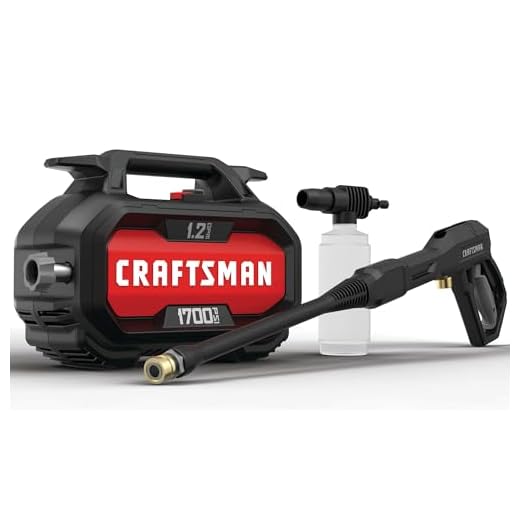

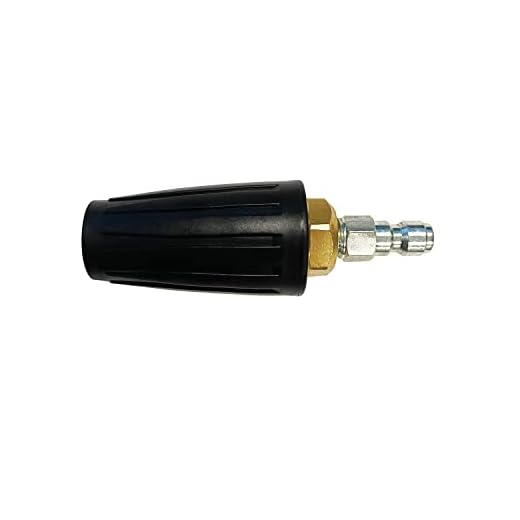

Storing your pressure washer in the cold can have detrimental effects on its performance and lifespan. While it might be tempting to leave it outside or in an unheated garage during the winter months, doing so can cause irreversible damage.
When exposed to freezing temperatures, the water in the pressure washer can freeze, leading to cracked components and a compromised pump. Additionally, the cold weather can cause the oil in the engine to thicken, making it difficult for the machine to start or run smoothly.
It is recommended to store your pressure washer in a dry, temperature-controlled environment where it is protected from extreme cold. This can be a heated garage, basement, or even a shed with insulation. By storing it in a warm place, you can prevent any potential damage and ensure that your pressure washer is in optimal condition when you need it again.
Remember: proper storage is essential for the longevity and performance of your pressure washer. Don’t let the cold weather take a toll on your investment. Take the time to store it correctly and enjoy its powerful cleaning abilities for years to come.
Effects of Cold on Pressure Washers
Cold weather can have several effects on pressure washers, potentially causing damage and reducing their effectiveness. It’s important to understand these effects and take precautions to protect your equipment during colder months.
One of the main concerns with storing pressure washers in cold temperatures is the freezing of water left inside the unit. Water expands when it freezes, and this expansion can cause irreversible damage to the internal components of a pressure washer. It may lead to cracked pumps, hoses, or even the engine block.
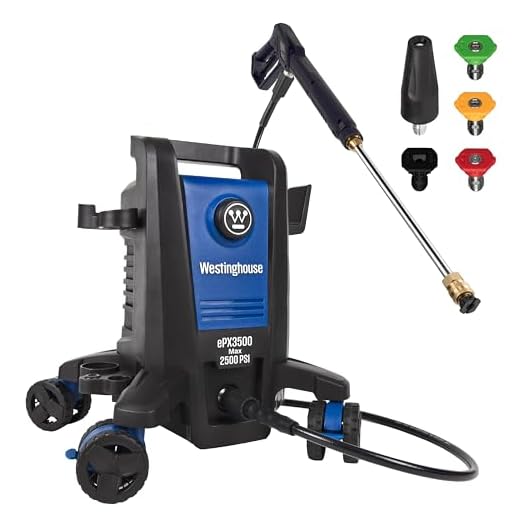
Additionally, cold temperatures can affect the performance of certain types of pressure washer detergents. Some solutions can freeze or solidify in low temperatures, which can clog the equipment or reduce its effectiveness. It’s essential to check the manufacturer’s recommendations and select a detergent suitable for colder conditions or store it properly in a warm area.
Extreme cold can also impact the battery life of pressure washers that rely on electric power. Cold temperatures can reduce the overall capacity and efficiency of batteries, resulting in shorter runtime and less power output. If possible, it’s recommended to store electric pressure washers indoors or in a temperature-controlled area to minimize the impact on battery performance.
Furthermore, cold weather can cause condensation to form inside pressure washers when they are brought indoors after being used in freezing temperatures. This condensation can lead to rust and corrosion, which can affect the longevity and performance of your equipment. To prevent this, it’s advised to allow the pressure washer to warm up gradually in a dry location before storing it.
In conclusion, cold weather can have detrimental effects on pressure washers, such as freezing of water, reduced effectiveness of detergents, decreased battery performance, and potential rust and corrosion. Proper precautions, such as draining any remaining water, using suitable detergents, storing equipment in a warm area, and allowing for gradual temperature changes, can help mitigate these effects and prolong the life of your pressure washer.
| Effects of Cold on Pressure Washers |
|---|
| Freezing of water inside the unit |
| Damage to internal components |
| Reduced performance of detergents |
| Decreased battery life |
| Potential rust and corrosion |
Proper Winter Storage for Pressure Washers
When the cold winter months arrive, it is important to properly store your pressure washer to prevent potential damage and ensure it is ready for use when the weather warms up again. Here are some steps to follow for proper winter storage:
1. Clean the Pressure Washer
Before storing your pressure washer, make sure to thoroughly clean it. Remove any dirt, debris, or grime that may have accumulated during previous use. Pay special attention to the nozzle, hose, and wand to remove any clogs or blockages.
2. Disconnect and Drain the Water Source
Disconnect the pressure washer from the water source and allow any remaining water to drain completely. This is important to prevent freezing and potential damage to the internal components of the pressure washer.
3. Turn Off and Disconnect the Power Supply
Turn off the pressure washer and disconnect it from the power supply. This will help prevent any electrical issues or accidents during the storage period.
4. Lubricate Moving Parts
Apply a thin layer of lubricant to any moving parts of the pressure washer. This will help protect them from rust and corrosion during the storage period.
5. Store in a Dry and Sheltered Area
Find a dry and sheltered area, such as a garage or storage shed, to store your pressure washer. Avoid exposing it to extreme temperatures or moisture, as this can cause damage.
6. Check the Owner’s Manual
Refer to the owner’s manual for any specific storage recommendations or precautions for your pressure washer model. Follow the manufacturer’s guidelines to ensure proper storage.
By following these proper winter storage steps, you can help prolong the lifespan of your pressure washer and ensure it is always ready for use, even after a long period of cold storage.
Tips for Using Pressure Washers in Cold Weather
Using a pressure washer in cold weather can be challenging, but with the right precautions and techniques, you can still achieve great results. Here are some tips to help you make the most out of your pressure washer during low temperatures:
1. Choose the Right Pressure Washer
When working in cold weather, it’s essential to choose a pressure washer that is specifically designed for cold temperatures. These models are equipped with components that can withstand the freezing conditions and prevent any damage to the machine.
2. Protect the Pressure Washer from Freezing
Cold weather can cause water inside the pressure washer to freeze, leading to damage to the pump and other components. To prevent this, ensure that the pressure washer is stored in a warm location when not in use. If you’re working outside, try to keep the machine insulated or wrapped with a thermal cover.
3. Warm-Up the Engine
In cold weather, it’s crucial to warm up the pressure washer’s engine before using it. This will help the machine operate at optimal performance and prevent any issues caused by cold-start conditions. Follow the manufacturer’s instructions for warming up the engine properly.
4. Use Appropriate Detergents
Cold weather can affect the effectiveness of detergents used with pressure washers. Choose a detergent that is specifically formulated for cold temperatures to ensure that it will work effectively and help remove dirt and grime even in low temperatures.
5. Protect Yourself
Working in cold weather can be uncomfortable, so it’s essential to dress appropriately. Wear warm clothing, gloves, and even consider using hand warmers to protect yourself from the cold. Also, ensure that your working area is well ventilated to prevent the buildup of carbon monoxide from the pressure washer’s exhaust.
6. Use the Right Nozzles
Depending on the task at hand, you may need to adjust the nozzle on your pressure washer. In cold weather, using a nozzle with a wider spray pattern can help prevent freezing and reduce the buildup of ice on surfaces. However, be cautious not to use a nozzle that is too wide, as it may reduce the pressure and effectiveness of the washer.
By following these tips, you can use your pressure washer effectively in cold weather conditions. Remember to always check the manufacturer’s guidelines and take the necessary safety precautions to protect yourself and the machine.
Common Issues with Pressure Washers in Cold Temperatures
Pressure washers can be highly effective tools for cleaning a variety of surfaces, but they can also encounter some common issues when used in cold temperatures. It’s important to be aware of these issues and take the necessary steps to prevent any damage or malfunctions.
1. Freezing of Water
One of the most common problems encountered with pressure washers in cold temperatures is the freezing of water within the machine. When temperatures drop below freezing, any water left inside the pressure washer can freeze, leading to a blocked or damaged pump.
To prevent this issue, it is important to properly drain the pressure washer after each use in cold weather. This includes removing all water from the pump, hoses, and wand. It is also recommended to store the pressure washer in a warm and dry place to further minimize the risk of freezing.
2. Reduced Performance
In colder temperatures, the overall performance of a pressure washer may be reduced. The colder air can cause the engine to run less efficiently, resulting in lower water pressure and reduced cleaning power.
To mitigate this issue, it is recommended to allow the pressure washer to warm up for a few minutes before starting any cleaning tasks. This will give the engine and pump time to reach optimal operating temperatures, ensuring better performance. Additionally, using hot water instead of cold water can help maintain better cleaning effectiveness in cold weather.
3. Hose and Seal Damage
Cold temperatures can cause the hoses and seals of a pressure washer to become stiff and brittle. This can lead to cracks, leaks, or even ruptures, affecting the overall functioning of the machine.
To prevent damage to hoses and seals, it is essential to store the pressure washer in a location where it is protected from extreme cold temperatures. If the pressure washer needs to be used outdoors in cold weather, it can be helpful to insulate the hoses and seals to maintain flexibility and prevent damage from freezing temperatures.
- Regularly inspect hoses and seals for any signs of wear or damage.
- Use hose covers or insulation tape to protect hoses from extreme temperatures.
- Replace any damaged hoses or seals promptly to prevent further damage.
By taking these precautions and addressing any issues that arise promptly, you can ensure the optimal performance and longevity of your pressure washer, even in cold temperatures.
Questions and answers,
Can I store my pressure washer in a cold garage during winter?
Yes, you can store your pressure washer in a cold garage during winter. However, it is important to take a few precautions to prevent any potential damage. First, make sure to drain all the water from the pump, hoses, and spray gun to avoid freezing and causing the components to crack. Additionally, it is recommended to store the pressure washer in a dry area to prevent moisture buildup and rust. Covering it with a tarp or a protective cover can also help protect it from dust and debris.
Is it necessary to winterize my pressure washer if I store it in a cold climate?
Yes, it is necessary to winterize your pressure washer if you store it in a cold climate. Winterizing involves removing all the water from the pump, hoses, and spray gun to prevent freezing and potential damage to the components. You can do this by running a winterizing solution through the pressure washer or by using compressed air to blow out any remaining water. Taking the time to properly winterize your pressure washer will help ensure its longevity and prevent any costly repairs.
What temperature is too cold to store a pressure washer?
The temperature at which it becomes too cold to store a pressure washer will vary depending on the specific model and manufacturer. However, as a general rule of thumb, it is recommended to store your pressure washer in temperatures above freezing (32°F or 0°C). Freezing temperatures can cause water in the pump, hoses, and spray gun to freeze and potentially damage the components. If you need to store your pressure washer in extremely cold temperatures, it is essential to properly winterize it and take extra precautions to protect it from freezing.
What are the potential risks of storing a pressure washer in a cold environment?
Storing a pressure washer in a cold environment without taking proper precautions can lead to a variety of potential risks. The most significant risk is the freezing of water in the pump, hoses, and spray gun. When water freezes, it expands, which can cause the components to crack or rupture. This can result in costly repairs or even the need to replace the entire pressure washer. Moisture buildup from condensation in cold environments can also lead to rust and corrosion. To avoid these risks, it is crucial to properly drain and winterize your pressure washer before storing it in a cold environment.
Recent Posts
-

How To Connect Soap To Honda Pressure Washer
June 28, 2024 -

A To Z Pressure Washing Scam
June 27, 2024 -

How To Pressure Wash Your Home With A Garden Hose
June 27, 2024 -

Where Can I Buy Honda Pressure Washer Parts
June 25, 2024 -
