
Blog
How Does A Pressure Washer Work Diagram
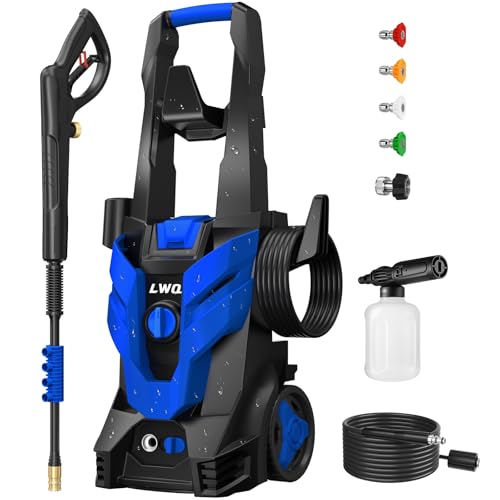
Pressure washers are powerful machines that can clean a variety of surfaces quickly and efficiently. But have you ever wondered how they work? In this article, we will explore the inner workings of a pressure washer and how it generates the high-pressure water stream that is so effective at cleaning.
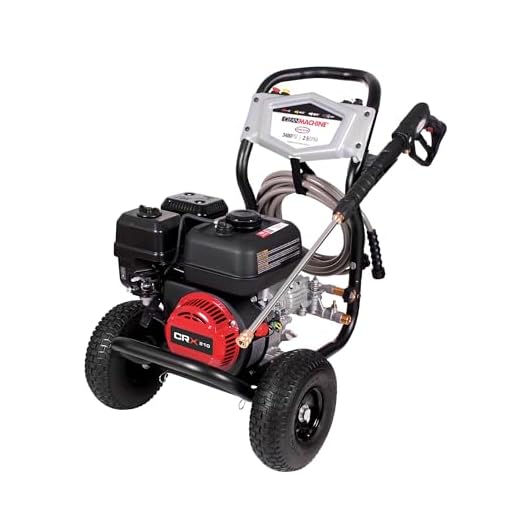
A pressure washer works by using a motor or engine to drive a pump, which pressurizes the water. The pump takes in water from a supply, such as a regular garden hose, and increases its pressure using mechanical force. This high-pressure water is then expelled through a nozzle at the end of a wand, creating a strong stream that can remove dirt, grime, and other substances from surfaces.
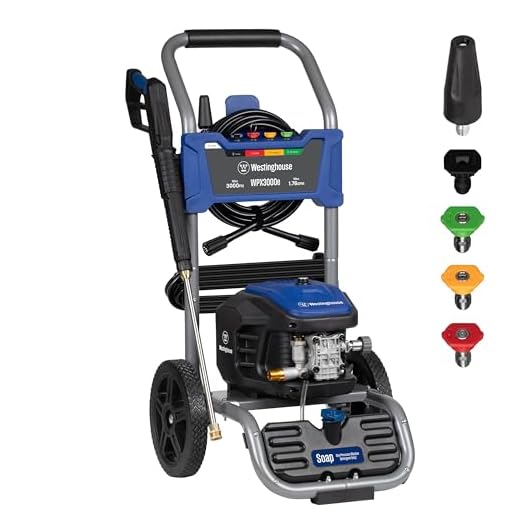
Inside the pressure washer, there are several key components that work together to generate the high-pressure water stream. These include the pump, engine or motor, water inlet, and various valves and hoses. The pump is the heart of the pressure washer, as it is responsible for pressurizing the water and generating the cleaning power.
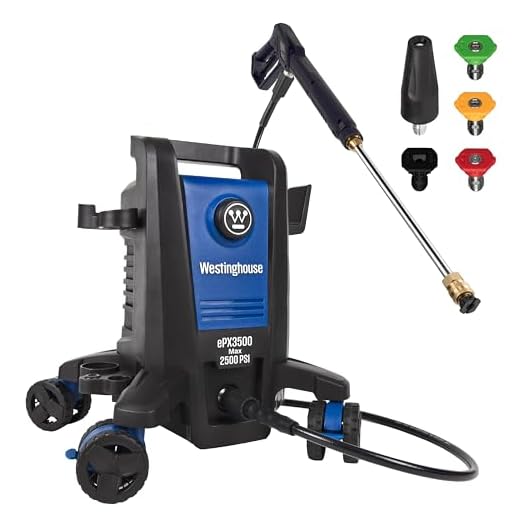
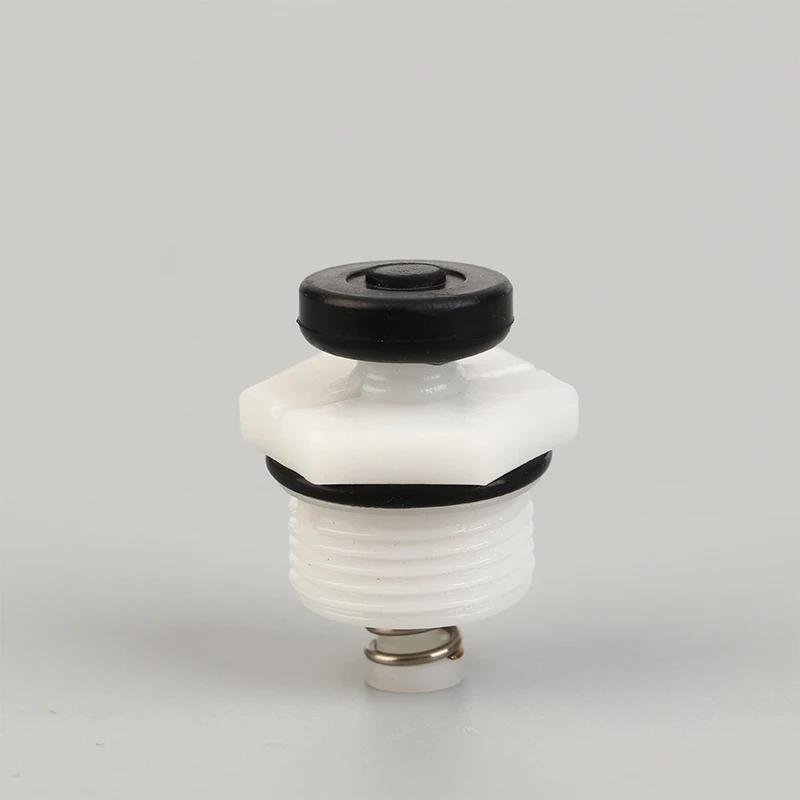


The pump in a pressure washer typically contains a series of pistons or plungers that move back and forth, creating the pumping action. As the pistons move, they draw water into the pump and then push it out with increased force. This action is repeated rapidly, creating a continuous stream of pressurized water. The pressure created by the pump can be adjusted using dials or knobs on the pressure washer, allowing the user to control the intensity of the stream.
Understanding the Basic Components
A pressure washer consists of several key components that work together to provide high-pressure water for cleaning purposes. Understanding these components is essential to grasp how a pressure washer works.
1. Power Source: This is the engine or motor that generates power to drive the pressure washer. It can be powered by electricity, gasoline, or diesel fuel.
2. Pump: The pump is responsible for creating the high-pressure water flow. It draws water from a source and increases its pressure using mechanical force.
3. Water Inlet: This is where the water enters the pressure washer. It is connected to a hose or pipe that is immersed in a water source, such as a bucket, water tank, or garden hose.
4. Detergent Dispenser: Some pressure washers have a detergent dispenser that allows the user to mix cleaning solutions with the water stream. This helps to remove tough stains and grime.
5. High-Pressure Hose: The high-pressure hose carries the pressurized water from the pump to the nozzle. It is designed to withstand high pressures and is usually made of reinforced rubber or thermoplastic.
6. Trigger Gun: The trigger gun is the control mechanism that regulates the flow of pressurized water. When the trigger is pulled, it releases the high-pressure water through the nozzle.
7. Nozzle: The nozzle is the attachment at the end of the trigger gun that shapes and directs the water stream. It can be adjusted to produce different spray patterns, such as a concentrated jet or a wide fan.
8. Pressure Regulator: Some pressure washers have a pressure regulator that allows the user to adjust the water pressure. This is useful when cleaning different surfaces that require varying levels of pressure.
9. Safety Features: Pressure washers often include safety features such as an automatic shut-off system in case of overheating or low oil levels, as well as a safety lock to prevent unintentional spraying.
By understanding these basic components, it becomes easier to visualize and comprehend the inner workings of a pressure washer. Each component plays a vital role in generating the high-pressure water flow that makes pressure washing such an effective cleaning technique.
The Working Principle of Pressure Washers
A pressure washer works by using a motor or engine to power a pump, which pressurizes the water and pushes it through a hose and nozzle. The high pressure water stream is then used to quickly and effectively clean various surfaces.
The main components of a pressure washer are:
- Motor or Engine: The power source that drives the pump.
- Pump: The component that pressurizes the water and controls the flow rate.
- Hose: Transports the pressurized water from the pump to the nozzle.
- Nozzle: Controls the spray pattern and velocity of the water stream.
When the motor or engine is started, it powers the pump, which creates a low pressure zone by drawing water from a source such as a water tank or a tap. The pump then pressurizes the water by compressing it and forcing it through a narrow nozzle orifice, which increases the velocity and impact of the stream.

The high pressure water stream produced by the pressure washer can be adjusted by changing the nozzle orifice size or using different spray patterns. This allows for increased versatility and control when cleaning various surfaces.
In addition to the high pressure water stream, pressure washers may also incorporate other cleaning agents or detergents to enhance the cleaning process. These cleaning agents can be injected into the water stream either before or after it passes through the pump.
Overall, pressure washers offer a powerful and efficient way to clean surfaces by utilizing high pressure water streams. Whether it’s for cleaning your car, patio, or outdoor furniture, pressure washers are widely used for their effectiveness and convenience.
Step-by-Step Guide on Using a Pressure Washer
Using a pressure washer effectively requires some basic knowledge and understanding of the equipment. Here is a step-by-step guide on how to use a pressure washer:
Step 1: Safety First
Before using a pressure washer, it is important to wear safety gear, such as safety glasses and gloves. Make sure to read the user manual provided by the manufacturer to understand any specific safety precautions.
Step 2: Familiarize Yourself with the Equipment
Take some time to become familiar with the pressure washer and learn how to operate it. Understand how to adjust the pressure settings, control the water flow, and attach any necessary accessories or nozzles.
Step 3: Preparing the Area
Clear the area of any objects or debris that could be damaged or obstructed by the pressure washer’s spray. Cover delicate plants or objects that could be affected by the high-pressure water.

Step 4: Connect the Water Source
Attach a garden hose to the pressure washer’s water inlet. Ensure a tight connection to avoid any leaks or pressure loss during operation.
Step 5: Start the Pressure Washer
Turn on the pressure washer’s engine or motor following the manufacturer’s instructions. Let it warm up for a few minutes before using it.
Step 6: Adjust the Pressure and Water Flow

Using the pressure control knob or dial, adjust the pressure according to the cleaning task at hand. Adjust the water flow by turning the nozzle or using the provided settings on the pressure washer.
Step 7: Begin Cleaning
Hold the spray wand firmly and start cleaning by applying the spray to the desired surface. Keep the nozzle at a steady distance from the surface to avoid damaging it or causing injuries.
Step 8: Clean in Sections
Work in small sections and move consistently to achieve even cleaning. Overlapping each section slightly will ensure consistent results.

Step 9: Rinse and Dry the Surface
Once the cleaning is complete, rinse the surface thoroughly to remove any cleaning solution or dirt. Allow the surface to dry completely before using it or applying any treatments.
Step 10: Disconnect and Store the Pressure Washer
After use, turn off the pressure washer, disconnect the water source, and drain any remaining water. Clean the equipment and store it in a safe and dry place according to the manufacturer’s guidelines.
Following these steps will help you effectively and safely use a pressure washer to clean various surfaces.
Maintenance Tips for Pressure Washers
Regular maintenance is essential to keep your pressure washer performing at its best and to prolong its lifespan. Here are some tips to help you maintain your pressure washer:
1. Check the Oil
One of the most important maintenance tasks is checking the oil level in your pressure washer. Without proper lubrication, the engine can seize up and cause damage. Check the oil level before each use and replace it if necessary.
2. Inspect the Pump
The pump is a critical component of the pressure washer, and it should be inspected regularly for any signs of damage or wear. Look for leaks, cracks, or worn-out seals, and repair or replace as needed. A faulty pump can lead to a loss of pressure and reduced performance.
3. Clean the Nozzle
The nozzle is responsible for creating the high-pressure spray that cleans surfaces. Over time, it can get clogged with debris or mineral deposits, affecting the pressure and spray pattern. Regularly clean the nozzle with a small wire or needle to keep it clear and ensure optimal performance.
4. Flush the System
After each use, it is important to flush your pressure washer system with clean water to remove any dirt, debris, or detergents. This helps prevent clogs and keeps the internal components clean and functioning properly.

5. Store Properly
When not in use, store your pressure washer in a clean, dry area away from extreme temperatures and direct sunlight. Protect it from any dust or debris that may accumulate, and make sure to drain the fuel and oil if storing for an extended period.
By following these maintenance tips, you can ensure that your pressure washer continues to deliver powerful cleaning performance and lasts for years to come.
Questions and answers
What is a pressure washer?
A pressure washer is a machine that uses high-pressure water to clean surfaces and objects. It is commonly used for cleaning outdoor surfaces such as driveways, decks, and buildings.
How does a pressure washer work?
A pressure washer works by using a motor or engine to drive a pump. The pump pushes water through a narrow nozzle at high pressure, which creates a powerful jet of water that can remove dirt, grime, and other debris from surfaces.
What are the main components of a pressure washer?
The main components of a pressure washer include a motor or engine, a water pump, a high-pressure hose, a trigger gun, a nozzle, and a detergent injector. These components work together to create the high-pressure water jet.

How does the pump in a pressure washer work?
The pump in a pressure washer works by drawing water from a source and then pressurizing it before it is expelled through the nozzle. This pressurization is achieved by using pistons or plungers that move back and forth to create high pressure.
How is a pressure washer different from a regular garden hose?
A pressure washer is different from a regular garden hose because it uses high pressure to clean surfaces, while a garden hose relies on the pressure from the water source. This high pressure allows a pressure washer to remove dirt and grime more effectively and efficiently.
What is a pressure washer and how does it work?
A pressure washer is a cleaning tool that uses high-pressure water spray to remove dirt, grime, mold, and other impurities from surfaces. It works by pumping water at a high pressure through a nozzle, which creates a strong and focused spray.