
Blog
Does Water Have To Be Forced Into A Pressure Washer

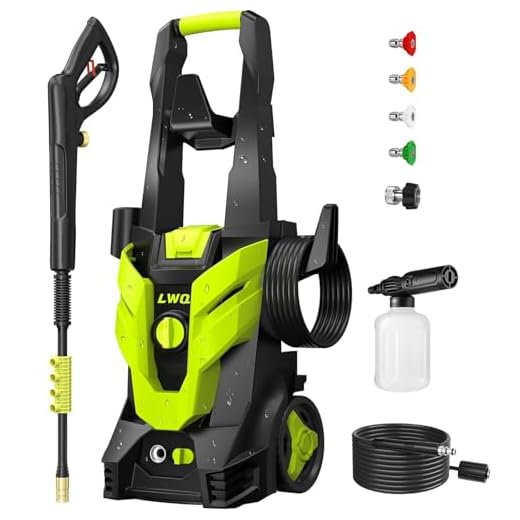


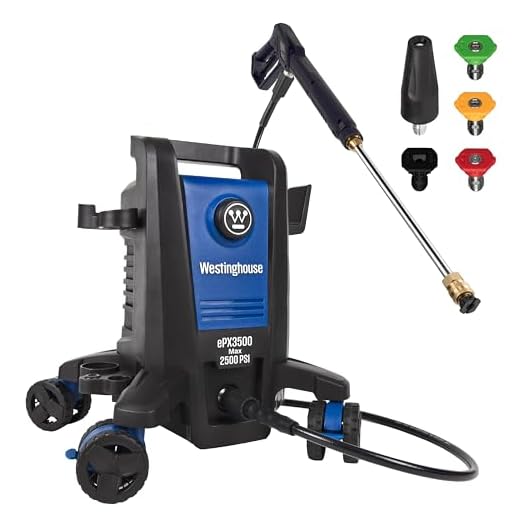
Have you ever wondered how a pressure washer works? It’s a common question for those who have never used one before. One of the main things people wonder about is whether the water needs to be forced into the pressure washer or if it can simply flow in naturally.
The answer to this question is yes, water does need to be forced into a pressure washer. Pressure washers work by using a motor or engine to pump water at a high pressure through a hose and out of a nozzle. This high pressure is what allows the pressure washer to clean surfaces effectively.
The pump in a pressure washer is responsible for creating the pressure that forces the water out at a high speed. Without this pressure, the water would not be able to effectively remove dirt, grime, and other debris from surfaces. So, while water can flow naturally, it needs to be forced into a pressure washer to achieve the desired cleaning power.
Overall, the pressure washer is a powerful tool that relies on forced water to clean surfaces effectively. By understanding how the pump creates pressure and forces the water out at high speed, you can better appreciate the cleaning power of a pressure washer.

Understanding Pressure Washers
A pressure washer is a powerful tool that uses high-pressure water to clean various surfaces and objects. It is commonly used for washing cars, driveways, decks, and other outdoor areas. Understanding how pressure washers work can help you use them safely and efficiently.
How Does a Pressure Washer Work?
A pressure washer consists of a motor or engine that drives a pump. The pump pressurizes water, which is then delivered through a high-pressure hose and a spray wand or nozzle. The pressure can range from a gentle spray for delicate surfaces to a powerful jet for stubborn dirt and grime.
The intensity of the pressure is measured in pounds per square inch (psi). Different pressure washers have different psi ratings, and it’s important to choose one that is suitable for your cleaning needs. Higher psi ratings are generally better for tougher cleaning tasks.
Do You Need to Force Water into a Pressure Washer?
While water does not have to be forced into a pressure washer, it does require a constant and adequate supply of water to work effectively. Most pressure washers have an inlet hose that connects to a water source, such as a garden hose or a water tank. The water is then drawn into the pump and pressurized before being released through the spray wand.
It’s important to ensure that the water supply is sufficient and free from any blockages or restrictions. Insufficient water supply can cause damage to the pump or reduce the effectiveness of the pressure washer. Some pressure washers also come with filters or screens to prevent debris from entering the system.
In addition to the water supply, pressure washers also require a power source. Electric pressure washers typically need to be plugged into an electrical outlet, while gas-powered ones use a fuel source, such as gasoline or diesel. It’s important to follow the manufacturer’s instructions for powering and operating the pressure washer.
| Advantages of Using a Pressure Washer | Disadvantages of Using a Pressure Washer |
|---|---|
| – Efficiently removes dirt, grime, and stains – Saves time and effort – Versatile and can be used for various cleaning tasks |
– Can cause damage to delicate surfaces or objects if used incorrectly – Requires proper safety precautions – Can be noisy and produce a lot of splashing water |
When using a pressure washer, always wear protective gear, such as safety glasses and gloves, and follow the recommended pressure and distance guidelines for the surface or object you are cleaning. Regular maintenance and proper storage of the pressure washer can also ensure its longevity and optimal performance.
What is a Pressure Washer?
A pressure washer is a power tool used to clean surfaces by spraying high-pressure water onto them. It is commonly used for cleaning outdoor areas such as driveways, decks, and sidewalks, as well as removing dirt and grime from vehicles, machinery, and buildings.
Pressure washers come in various sizes and types, including electric and gas-powered models. They consist of a motor or engine that drives a pump, which pressurizes water from a garden hose or water source. The high-pressure water is then expelled through a nozzle or spray gun, allowing the user to direct the stream of water to the desired area.
One of the main advantages of using a pressure washer is its ability to remove stubborn dirt and grime more effectively than traditional methods such as scrubbing or hosing. The high pressure of the water stream helps to break down and dislodge dirt particles, making it easier to clean surfaces.
Pressure washers are also versatile tools that can be used for a variety of cleaning tasks. They can be used to clean outdoor furniture, remove mildew from siding or fences, wash windows, and even strip old paint or graffiti from surfaces.
How Do Pressure Washers Work?
A pressure washer is a mechanical device that uses high-pressure water to remove dirt, grime, and other unwanted substances from various surfaces. It works by forcing water at high speeds through a nozzle, which creates a powerful jet of water that can effectively clean surfaces.
The main components of a pressure washer include a pump, an electric or gas engine, a water inlet, and a high-pressure hose. The water inlet is connected to a water supply, and the pump pressurizes the water before it is expelled through the nozzle.
When the pressure washer is turned on, water is drawn into the pump from the water supply. The pump then pressurizes the water, increasing its speed and force. The high-pressure hose carries the pressurized water to the nozzle, where it is expelled as a concentrated jet. The nozzle is designed to create a narrow and focused spray pattern, which helps to increase the cleaning power of the pressure washer.
Pressure washers are commonly used for cleaning a variety of outdoor surfaces, such as driveways, sidewalks, decks, and siding. They can also be used to clean vehicles, including cars, boats, and motorcycles.
It is important to note that pressure washers can vary in terms of their power and capabilities. Some pressure washers are designed for residential use and have lower pressure levels, while others are designed for commercial or industrial use and can generate much higher pressure levels. It is important to select the right pressure washer for your specific needs and to follow all safety instructions when operating it.
Importance of Water Supply in Pressure Washers
A pressure washer is a powerful tool used for cleaning a variety of surfaces. While the high-pressure water spray is the key element in its functionality, the water supply is equally important. Without a proper water supply, a pressure washer cannot perform optimally and may even cause damage to the machine.
1. Water Flow Rate
The water flow rate, also known as gallons per minute (GPM), is an essential factor in pressure washer performance. The higher the water flow rate, the more effective the cleaning process will be. A sufficient water flow rate ensures that the pressure washer can deliver a consistent stream of water at the desired pressure.
| Water Flow Rate | Recommended Applications |
|---|---|
| Less than 2 GPM | Light-duty cleaning tasks such as washing cars or small areas |
| 2-3 GPM | Moderate-duty cleaning tasks such as cleaning decks or patios |
| More than 3 GPM | Heavy-duty cleaning tasks such as removing paint or graffiti |
2. Water Pressure
The water pressure, measured in pounds per square inch (PSI), determines the force with which the water is sprayed. A higher water pressure allows for better cleaning power, particularly for stubborn dirt or stains. It is important to match the water pressure of the pressure washer to the specific cleaning task to avoid damage or inadequate cleaning.
| Water Pressure | Recommended Applications |
|---|---|
| Less than 2000 PSI | Light-duty cleaning tasks such as washing cars or windows |
| 2000-3000 PSI | Moderate-duty cleaning tasks such as cleaning decks or driveways |
| More than 3000 PSI | Heavy-duty cleaning tasks such as removing heavy grease or grime |
It is essential to have a water supply that can meet the required flow rate and pressure of the pressure washer. Insufficient water supply can cause the pressure washer to lose pressure or lead to overheating, resulting in potential damage to the machine. Additionally, it is important to ensure a clean and debris-free water supply to prevent clogging or damage to the pressure washer pump and nozzles.
Therefore, proper maintenance and attention to the water supply are crucial for the efficient and safe operation of a pressure washer.
Does Water Need to be Forced into a Pressure Washer?
A pressure washer is a powerful cleaning tool that uses high-pressure water to remove dirt, grime, and other debris from surfaces. The water is delivered through a nozzle at a high velocity, allowing it to effectively clean a variety of surfaces and objects.
But does the water used in a pressure washer need to be forced into the machine? The answer is yes. Without forcing water into the pressure washer, it wouldn’t be able to create the high pressure needed for effective cleaning.
How Does a Pressure Washer Work?
Pressure washers consist of a motor or engine that drives a pump, which pressurizes the water. There are two types of pressure washers: electric and gas-powered. Both types require water to be forced into the machine.
The water source is typically connected to the pressure washer via a garden hose. From there, the water enters the machine and is pressurized by the pump. The high-pressure water is then directed through a wand and nozzle, allowing the user to clean surfaces effectively.
Why Does Water Need to be Forced into a Pressure Washer?
The main reason water needs to be forced into a pressure washer is to create the necessary pressure for effective cleaning. The pump in a pressure washer is designed to increase the pressure of the water, typically to a few thousand pounds per square inch (psi).

Without forcing water into the machine, the pressure washer wouldn’t be able to generate the high pressure needed to remove stubborn dirt and grime. The force of the high-pressure water is what makes a pressure washer so effective at cleaning surfaces.
- Forcing water into a pressure washer also helps to ensure a consistent water supply. The pump needs a steady flow of water to function properly, and forcing the water into the machine helps to maintain a constant supply.
- In addition, forcing water into the pressure washer helps to prevent any air bubbles or gaps in the water flow. This ensures a steady stream of high-pressure water is delivered through the nozzle, improving the overall cleaning performance.
In conclusion, water does need to be forced into a pressure washer in order for it to generate the high pressure required for effective cleaning. Without the forced water supply, a pressure washer wouldn’t be able to deliver the powerful cleaning action it is known for.
What Happens if Water is Not Forced into a Pressure Washer?
When water is not forced into a pressure washer, the machine will not be able to function properly. Pressure washers rely on the force of water being pushed through a small opening, which creates high pressure that is then used to clean various surfaces.

If water is not forced into the pressure washer, several things can happen:
- No water flow: Without water being forced into the pressure washer, there will be no water flow through the machine. This means that no water will come out of the spray nozzle, rendering the pressure washer useless for cleaning tasks.
- No pressure: The pressure in a pressure washer is created by the force of water being pushed through a small opening. Without water flow, there will be no pressure build-up, and the pressure washer will not be able to provide the high pressure needed for effective cleaning.
- Pump damage: If water is not forced into the pressure washer, the pump can be damaged. The pump relies on water flow to cool itself, and without water flowing through it, the pump can overheat and potentially burn out.
- Inefficiency: Without water being forced into the pressure washer, the machine will not be able to efficiently clean surfaces. The high pressure created by the water flow is necessary to effectively remove dirt, grime, and other debris from various surfaces.
Overall, it is crucial to ensure that water is properly forced into a pressure washer to ensure its proper functioning and effectiveness for cleaning tasks.
Question-answer
Why does water need to be forced into a pressure washer?
Water needs to be forced into a pressure washer in order to create the high pressure required for cleaning. The force of the water is generated by a motor or engine in the pressure washer, which pumps the water through a narrow nozzle at a high velocity. This high pressure spray is what allows the pressure washer to effectively remove dirt, grime, and other substances from surfaces.
What happens if you don’t force water into a pressure washer?
If you don’t force water into a pressure washer, it will not be able to generate the necessary pressure for effective cleaning. Without the forced water, the pressure washer will simply produce a low-pressure spray that is not powerful enough to remove stubborn dirt and stains. It will essentially function like a regular garden hose.
Can you use a pressure washer without forcing water into it?
No, you cannot use a pressure washer without forcing water into it. The whole purpose of a pressure washer is to create high pressure for cleaning, and this pressure is generated by forcing water through a narrow nozzle. Without the forced water, the pressure washer will not be able to produce the required pressure and will not be effective for cleaning tasks.
What is the benefit of forcing water into a pressure washer?
The main benefit of forcing water into a pressure washer is that it allows for much more effective cleaning compared to regular methods. The high-pressure spray generated by the pressure washer can easily remove dirt, grime, oil, mold, and other tough substances from various surfaces. This can save time and effort, especially when dealing with large cleaning tasks or stubborn stains.
How does water get forced into a pressure washer?
Water gets forced into a pressure washer through a motor or engine that powers a pump. The pump draws water from a source, such as a garden hose, and then pressurizes it by forcing it through a narrow nozzle or spray wand. The force created by the pump increases the velocity of the water, resulting in a high-pressure spray that is used for cleaning.
Is it necessary to force water into a pressure washer?
No, it is not necessary to force water into a pressure washer. Pressure washers are designed to create high-pressure water streams for cleaning, and they work by increasing the pressure of the water that enters the machine. The water can be supplied either by a garden hose or by being directly connected to a water source.
Recent Posts
-

How To Connect Soap To Honda Pressure Washer
June 28, 2024 -
A To Z Pressure Washing Scam
June 27, 2024 -
How To Pressure Wash Your Home With A Garden Hose
June 27, 2024 -

Where Can I Buy Honda Pressure Washer Parts
June 25, 2024 -
