
Blog
Do You Need Soap To Pressure Wash Siding


Pressure washing is a popular method for cleaning various surfaces, including siding. It uses a high-pressure stream of water to remove dirt, grime, and other debris, leaving the surfaces looking clean and rejuvenated. Many people wonder whether soap is necessary when pressure washing siding. The answer to this question depends on several factors.
Firstly, it’s important to understand that pressure washing without soap can still remove a significant amount of dirt and grime from siding. The sheer force of the water can loosen and rinse away surface-level debris. However, for more stubborn stains and deeply embedded dirt, using a soap solution can be beneficial.
Soap acts as a surfactant, meaning it reduces the surface tension of water, allowing it to spread and penetrate more effectively. This can help break down and remove dirt, mold, mildew, and other pollutants that may be stuck to the siding. By combining soap with the high-pressure water stream, you can achieve a more thorough and efficient cleaning.

Additionally, using soap can help prevent damage to the siding during pressure washing. Without soap, the high-pressure water can sometimes be too aggressive and cause scratching or other forms of surface damage. The soap creates a lubricating layer between the water and the siding, reducing friction and minimizing the risk of damage.
Do You Need Soap to Pressure Wash Siding?
Pressure washing is an effective way to clean the siding of your home and bring back its original shine. But do you need soap to get the job done? While soap can certainly enhance the cleaning process, it is not always necessary.
Soap is typically used to help break down dirt, grime, and tough stains on the siding. It can make the cleaning process easier and more effective, especially when dealing with stubborn stains or mold and mildew. Additionally, using soap can provide a thorough cleaning and help prevent future buildup.
However, if your siding is not excessively dirty and there are no tough stains, soap may not be necessary. Pressure washing alone can often remove light dirt and debris, leaving your siding looking clean and refreshed.
When deciding whether to use soap or not, consider the condition and material of your siding. Some types of siding, such as vinyl or aluminum, are more resistant to dirt and stains and may not require soap. On the other hand, if you have wood or fiber cement siding, using soap can help protect the material and prevent damage.
If you choose to use soap, it is important to select a product specifically designed for pressure washing and siding. Avoid using household soaps or detergents, as they may cause damage or leave residue on your siding.
In conclusion, while soap can be beneficial in pressure washing siding, it is not always necessary. Assess the condition of your siding and choose the appropriate cleaning method based on its needs. Whether you decide to use soap or not, regular pressure washing can help maintain the appearance and longevity of your siding.
Importance of Soap for Pressure Washing Siding
When pressure washing the siding of your home, using soap is an important step to ensure effective cleaning. Soap helps to remove dirt, grime, mold, and mildew that can accumulate on the surface of the siding over time.
One of the main benefits of using soap is its ability to break down and loosen dirt particles, making it easier for water pressure to wash them away. Without soap, the water alone may not be able to remove stubborn stains and buildup, resulting in less satisfactory results.
Soap also helps to kill and remove mold and mildew, which can be a common problem on the exterior of homes, especially in areas with high humidity. These microorganisms can not only cause unsightly stains on the siding but also potentially lead to health issues. The use of soap combined with the high-pressure water helps to effectively eliminate mold and mildew, making the siding cleaner and safer.
When choosing a soap for pressure washing siding, it is important to select a product specifically designed for this purpose. There are various types of siding, such as vinyl, wood, or aluminum, and each may require a different type of soap. It is crucial to read the manufacturer’s instructions and follow the recommended soap for your specific type of siding.
How to Use Soap for Pressure Washing Siding
Before applying the soap, it is advisable to rinse the siding with water to remove loose debris and dirt. Once the initial rinse is complete, you can mix the soap solution according to the manufacturer’s instructions. Using a low-pressure nozzle or a soap applicator attachment, evenly distribute the soap onto the siding.
Allow the soap to dwell on the surface for a few minutes to penetrate and loosen the dirt. Avoid letting the soap dry on the siding, as this can leave residue. After the dwell time, switch to a high-pressure nozzle and rinse the siding thoroughly. Start from the top and work your way down, ensuring all soap and dirt are washed away.
Conclusion
In conclusion, using soap is essential for pressure washing siding. It helps to break down dirt, remove mold and mildew, and achieve cleaner and more satisfactory results. Selecting the right soap and following the proper steps to apply it will ensure effective cleaning and maintain the integrity of your siding for years to come.
Benefits of Using Soap for Pressure Washing Siding
When it comes to pressure washing siding, using soap can have several benefits. Soap acts as a cleaning agent that helps to loosen dirt, grime, and other residues on the surface of the siding. Here are some key advantages of using soap for pressure washing:
1. Enhanced Cleaning Power: Soap helps to enhance the cleaning power of the pressure washer. It effectively breaks down oily and greasy stains that may be present on the siding. Soap also helps to remove mildew and mold, leaving the siding looking clean and refreshed.
2. Reduced Time and Effort: Adding soap to your pressure washing process can help to reduce the time and effort required to clean the siding. The soap works to loosen dirt and grime, making it easier to wash away with the pressure washer. This can save you valuable time and energy.
3. Protects the Siding: Soap can also help to protect the siding from potential damage caused by the pressure washer. It acts as a lubricant, reducing the friction between the pressure washer and the siding surface. This helps to prevent scratches and other forms of damage during the cleaning process.
4. Deep Cleaning: Using soap allows for a deep and thorough cleaning of the siding. It helps to reach into the pores and crevices of the siding material, removing embedded dirt and stains. This ensures a more complete and long-lasting clean for the siding.
5. Versatility: Soap can be used on various types of siding materials, including vinyl, wood, aluminum, and more. This makes it a versatile cleaning option for homeowners with different types of siding on their homes.
6. Cost-Effective: Soap is an affordable cleaning solution compared to other specialized cleaning products. It can be easily mixed with water and applied to the siding without the need for additional expensive cleaning agents.
In conclusion, using soap for pressure washing siding offers many benefits. From enhanced cleaning power to protecting the siding and reducing cleaning time, soap is a valuable tool in achieving a clean and well-maintained exterior for your home.
Types of Soap for Pressure Washing Siding
When it comes to pressure washing siding, using soap can help to improve the cleaning process and achieve better results. There are several types of soap that are commonly used for pressure washing siding, each with its own advantages and specific purposes.
1. All-Purpose Soap: This type of soap is designed to remove general dirt, grime, and stains from various surfaces, including siding. It is a versatile option that can be used for most cleaning tasks and is usually effective in removing common household dirt.
2. Heavy-Duty Degreasing Soap: If your siding has stubborn grease or oil stains, a heavy-duty degreasing soap can be used to break down and remove these tough stains. This type of soap is formulated to tackle heavy grease and oil buildup and is ideal for heavily soiled areas.
3. Mold and Mildew Remover: If you are dealing with mold or mildew on your siding, using a soap specifically designed for mold and mildew removal is recommended. These soaps contain ingredients that can effectively kill and remove mold and mildew spores, helping to prevent them from recurring.
4. Eco-Friendly Soap: For those who are concerned about the environment, there are eco-friendly soaps available that are biodegradable and safe to use around plants and pets. These soaps are typically made from natural ingredients and do not contain harsh chemicals.
5. Color-Safe Soap: If you have colored siding, using a color-safe soap is essential to prevent any color fading or damage. Color-safe soaps are specifically formulated to protect the color of your siding while effectively cleaning it.
It’s important to note that when using soap for pressure washing siding, it is recommended to follow the manufacturer’s instructions and dilution ratios for best results. Additionally, it’s always a good idea to test the soap on a small, inconspicuous area of your siding before applying it to the entire surface.
How to Use Soap for Pressure Washing Siding
Using soap with a pressure washer can be an effective way to clean siding and remove dirt, grime, and other stains. Here are some simple steps to help you effectively use soap for pressure washing siding:
Step 1: Choose the Right Soap
Select a soap or detergent specifically formulated for pressure washing siding. Avoid using regular dish soap, as it may not be designed for use with pressure washers and could cause damage. Look for a soap that is safe for the material of your siding and suitable for outdoor use.

Step 2: Prepare the Pressure Washer
Before adding the soap, ensure that your pressure washer is properly set up and ready to use. Attach the appropriate nozzle for siding cleaning, and check that the water pressure is suitable for the task at hand. Follow the manufacturer’s instructions for your specific pressure washer model.
Step 3: Dilute the Soap
Follow the instructions on the soap bottle to properly dilute it with water. Using too much soap can cause excessive suds and may not effectively clean the siding. On the other hand, using too little soap may not provide enough cleaning power. Finding the right balance is crucial, so be sure to carefully measure and mix the soap and water.
Step 4: Apply the Soap
Once the soap is correctly prepared, apply it to the siding using the pressure washer. Start from the bottom and work your way up to prevent streaks and ensure thorough cleaning. Keep the nozzle at a consistent distance from the siding, typically around 12 to 18 inches, and move in a smooth motion. Avoid lingering too long on one spot, as it may cause damage.
Step 5: Rinse the Siding
After applying the soap, switch the nozzle to rinse mode and thoroughly rinse off the siding. This will remove any remaining soap residue and ensure a clean finish. Again, start from the bottom and work your way up to avoid streaks.
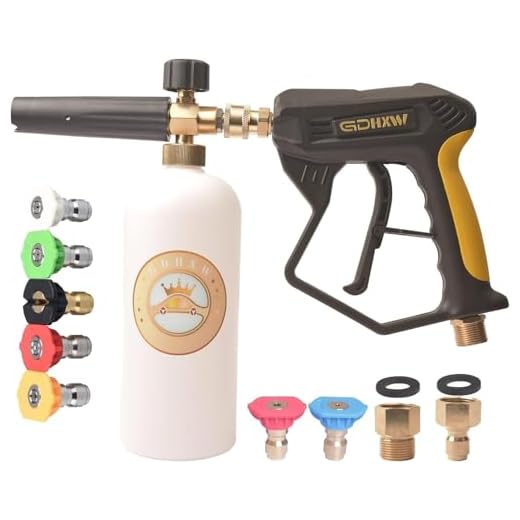
Following these steps will help you effectively use soap for pressure washing siding. Remember to always wear appropriate protective gear, such as goggles and gloves, and consider covering nearby plants or fragile objects to prevent any potential damage from the pressure washer.
Precautions to Consider When Using Soap for Pressure Washing Siding
Using soap for pressure washing siding can be an effective way to remove dirt, grime, and stains. However, it is important to take certain precautions to ensure that the process is carried out safely and effectively. Here are some considerations to keep in mind when using soap for pressure washing siding:
1. Choose the Right Soap
When selecting soap for pressure washing siding, it is important to choose a product that is specifically designed for use with pressure washers. Avoid using dish soap, laundry detergent, or other household cleaners, as they may contain ingredients that can damage the siding or be harmful to plants and animals.
2. Follow the Manufacturer’s Instructions
Each pressure washer and soap manufacturer may have specific instructions for use. It is important to carefully read and follow these instructions to ensure that the soap is used properly and in the correct concentration. Using too much soap or using it incorrectly can lead to streaking, damage to the siding, or other issues.
3. Test the Soap on a Small Area
Before applying soap to the entire siding, it is recommended to test it on a small, inconspicuous area. This will allow you to see how the soap interacts with the siding and check for any adverse reactions. If any issues arise, it may be necessary to choose a different soap or adjust the concentration.
4. Protect Surrounding Areas
Soap can be harmful to plants, grass, and other materials. Before pressure washing siding, it is important to cover nearby plants, move any outdoor furniture or decor, and protect surfaces that could be damaged by the soap or pressure washer. This will help minimize any potential damage and make cleanup easier.
5. Use Proper Technique
When applying soap to the siding, it is important to use the correct technique. This typically involves starting from the bottom and working your way up, applying the soap evenly and in a controlled manner. It is also important to avoid spraying directly at an angle that could force water behind the siding or into electrical fixtures.
6. Rinse Thoroughly
After applying soap, it is crucial to rinse the siding thoroughly to remove any residue. Failure to do so can leave behind streaks or soap scum, which can detract from the appearance of the siding. Be sure to rinse from top to bottom, using a wide spray pattern to cover a larger area and prevent streaking.
By taking these precautions, you can ensure that using soap for pressure washing siding is a safe and effective cleaning method that will help restore the appearance of your home’s exterior.
Questions and answers
Will pressure washing without soap clean siding effectively?
Yes, pressure washing without soap can still effectively clean siding. The force of the water alone can remove dirt, grime, and mold from the surface of the siding. However, using a soap or detergent can help to break down and remove stubborn stains and provide a deeper clean.
What type of soap or detergent should I use for pressure washing siding?
It is recommended to use a mild detergent specifically designed for pressure washing. Avoid using harsh chemicals or bleach, as they can damage the siding or surrounding landscaping. Look for a cleaner that is safe for the type of siding you have, such as vinyl, wood, or stucco.
Can pressure washing with soap damage siding?
If used correctly, pressure washing with soap should not damage siding. However, it’s important to follow the manufacturer’s guidelines and use the appropriate pressure setting for your specific siding material. Using too high of a pressure or holding the spray too close to the siding can cause damage, regardless of whether soap is being used. It’s always a good idea to test a small, inconspicuous area before pressure washing the entire surface of the siding.
Is it necessary to use a pressure washer to clean siding?
No, it is not necessary to use a pressure washer to clean siding. While pressure washing can be an effective and efficient method, there are other options available. You can also use a soft brush or sponge with a mild detergent to clean the siding by hand. This may require more time and effort, but it can still provide satisfactory results.
Recent Posts
-

How To Connect Soap To Honda Pressure Washer
June 28, 2024 -

A To Z Pressure Washing Scam
June 27, 2024 -

How To Pressure Wash Your Home With A Garden Hose
June 27, 2024 -
Where Can I Buy Honda Pressure Washer Parts
June 25, 2024 -
