
Blog
Best Bleach Dilution For Pressure Washing
When it comes to pressure washing, the right bleach dilution can make a significant difference in effectiveness and safety. Using bleach can help remove tough stains and disinfect surfaces, but it is crucial to understand how to properly dilute it for your specific pressure washing tasks. Here, we’ll guide you through the best practices for using bleach in pressure washing, ensuring you achieve the best possible results while maintaining safety and equipment integrity.
Selecting the appropriate bleach dilution depends on the type of surface you’re cleaning and the stains you’re targeting. Too strong of a solution can damage surfaces, while too weak may not yield the desired results. We’ll explore the best bleach products available that are suitable for pressure washing, helping you make informed decisions that enhance your cleaning experience.
Top Picks
Key Takeaways
- Always follow manufacturer guidelines for bleach dilution to avoid damaging surfaces.
- A 12.5% sodium hypochlorite solution is often ideal for heavy-duty cleaning tasks.
- Properly diluted bleach can disinfect as well as remove stubborn stains.
- Always test a small area before applying bleach to a larger surface.
Understanding the best bleach dilution for pressure washing is essential for effective cleaning. Here are key takeaways to keep in mind:
1 Best Bleach Dilution For Pressure Washing
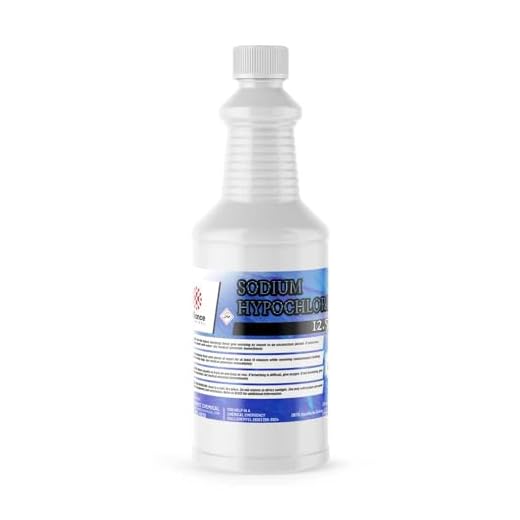
High Purity Sodium Hypochlorite Cleaning Agent
Pros
Cons
Overview
Alliance Chemical’s Sodium Hypochlorite is a high-purity liquid bleach, perfect for both industrial cleaning and routine pool maintenance.
This 12.5% formula ensures optimal water clarity and is ideal for heavy-duty cleaning tasks.
Key Features of Sodium Hypochlorite 12.5%
Practical considerations
When purchasing Sodium Hypochlorite, it’s crucial to consider the necessary dilution for specific tasks to ensure safety and effectiveness.
This product is best suited for those familiar with chemical handling.
Real-world insight
In our experience, having a reliable bleach solution like this one makes a significant difference in maintaining pool clarity and cleanliness, especially during peak usage seasons.
How to Choose Best Bleach Dilution For Pressure Washing
-
Understand Bleach Concentration
Bleach typically comes in various concentrations. For pressure washing, a higher concentration, around 12.5%, is recommended for effective cleaning. This ensures that the bleach works efficiently on stubborn stains and disinfects surfaces.
-
Consider Surface Type
Different surfaces may require different bleach dilutions. For example, wood and painted surfaces may need a weaker solution to avoid damage, while concrete can withstand stronger mixtures.
-
Mixing Techniques
When diluting bleach, it’s important to mix it with water in a well-ventilated area. Always add bleach to water, not the other way around, to avoid dangerous reactions.
-
Safety Precautions
Bleach is a powerful chemical, so take necessary safety precautions. Always use it in well-ventilated areas and avoid mixing it with other chemicals.
-
Effectiveness on Stains
If you’re dealing with specific stains, different bleach dilutions may work better. For mildew or algae, a stronger solution might be necessary. Continuous testing can help find the best balance.
Selecting the right bleach for pressure washing involves more than just picking a brand off the shelf. Here are some essential factors to consider when choosing the best bleach dilution for your needs.
Key Features to Look For
Quick Comparison
Myth vs Fact
While bleach can damage some surfaces, it is safe for many materials when diluted properly.
Understanding surface types is key to using bleach safely.
Overly strong bleach can damage surfaces and may not always be more effective.
Proper dilution is essential for achieving the best results.
Bleach products can vary significantly in purity and concentration.
Choosing the right product ensures optimal performance.
Bleach can also disinfect surfaces, making it ideal for various applications.
Understanding its dual function enhances usage.
What Should You Expect to Spend?
The cost of bleach for pressure washing can vary based on several factors. Here’s what you can expect to spend:
-
Budget Range
Expect to find basic bleach products in the budget range. These are often lower in purity but can suffice for light cleaning tasks.
-
Mid-Range
Mid-range options usually offer a better balance of quality and price, typically featuring higher purity levels suitable for most pressure washing needs.
-
Premium Products
Premium bleach products are often engineered for specific applications and may provide the best results for heavy-duty cleaning tasks.
Brands Worth Considering
-
01Alliance Chemical
Known for their high-purity sodium hypochlorite, ideal for industrial and routine cleaning.
-
02Clorox
A household name in bleach products, Clorox provides a variety of bleach options for cleaning.
-
03Household Essentials
Offers economical bleach options that are safe for general cleaning tasks.
-
04Zep
Specializes in commercial-grade cleaning products, including bleach for heavy-duty applications.
Several brands stand out in the bleach market for pressure washing. Here are a few worth considering:
FAQs
What is the best bleach dilution for pressure washing?
A dilution of 1 part bleach to 10 parts water is often recommended for most pressure washing tasks.
Can I use any bleach for pressure washing?
It’s best to use bleach that is specifically designed for cleaning to ensure effectiveness and safety.
Is bleach safe for all surfaces?
Bleach can damage certain surfaces, such as wood or painted materials, if not properly diluted.
How long should I let bleach sit on a surface?
Typically, allowing bleach to sit for 10-15 minutes is sufficient for effective cleaning.
Can I mix bleach with other cleaning products?
No, mixing bleach with other cleaners can produce harmful gases and should be avoided.
What protective gear should I wear when using bleach?
Always wear gloves and goggles to protect your skin and eyes from bleach exposure.
How do I store bleach safely?
Store bleach in a cool, dry area away from direct sunlight and out of reach of children.
Are there alternatives to bleach for pressure washing?
Yes, there are eco-friendly cleaning agents that can also effectively clean surfaces without bleach.
What surfaces should I avoid using bleach on?
Avoid using bleach on fabrics, wood, or painted surfaces unless specifically recommended.
Can bleach damage my pressure washer?
Using bleach in high concentrations can lead to damage; ensure proper dilution and follow manufacturer instructions.
How often can I use bleach for pressure washing?
Frequency depends on the surface and type of stains; however, regular use can be effective for maintenance.
What if I accidentally use too much bleach?
If too much bleach is used, rinse the area thoroughly with water to dilute and minimize damage.
Is it necessary to rinse after using bleach?
Yes, rinsing is important to remove any residual bleach and prevent surface damage.
Final Thoughts
- High Purity Sodium Hypochlorite Cleaning Agent is our top recommendation for effective cleaning.
- Always dilute bleach according to the surface and stain type.
For pressure washing, the High Purity Sodium Hypochlorite Cleaning Agent stands out for its effectiveness and versatility. When used properly, it can tackle tough stains and disinfect surfaces, making it a reliable choice for both industrial and routine cleaning tasks.