
Blog
What Does Bar Mean On Pressure Washer
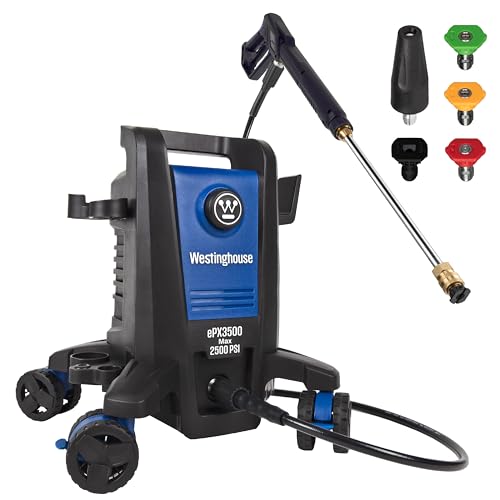
If you’ve ever looked at a pressure washer, you may have noticed a number followed by the abbreviation “bar” on its specification label or display. But what exactly does this mean? In the context of pressure washers, “bar” refers to the unit of measurement for pressure.
Bar is a commonly used metric unit of pressure, with 1 bar equal to 100,000 Pascals or approximately 14.5 pounds per square inch (psi). It represents the force per unit area exerted by the water or liquid that flows through the pressure washer. The higher the bar rating, the greater the pressure and cleaning power of the machine.
When using a pressure washer, the bar rating is an important consideration. The appropriate bar level depends on the cleaning task at hand. For example, light-duty tasks such as cleaning bicycles or garden furniture may require a lower bar rating, typically around 100-120 bar. On the other hand, heavy-duty cleaning tasks like removing moss from driveways or cleaning industrial equipment may demand a higher bar rating, ranging from 150-200 bar or more.
It’s important to note that while the bar rating is a crucial factor in determining the pressure washer’s cleaning power, it’s not the only aspect to consider. Factors such as the flow rate (measured in liters per minute or gallons per minute) and the nozzle type also play a role in the overall performance. Therefore, it’s recommended to choose a pressure washer that offers the right combination of bar rating, flow rate, and nozzle options to effectively tackle your specific cleaning needs.
Understanding the Meaning of “Bar” on a Pressure Washer
When it comes to pressure washers, you may have come across the term “bar” which is used to measure the pressure output of the machine. Understanding what this term means is crucial in order to use your pressure washer effectively and safely.
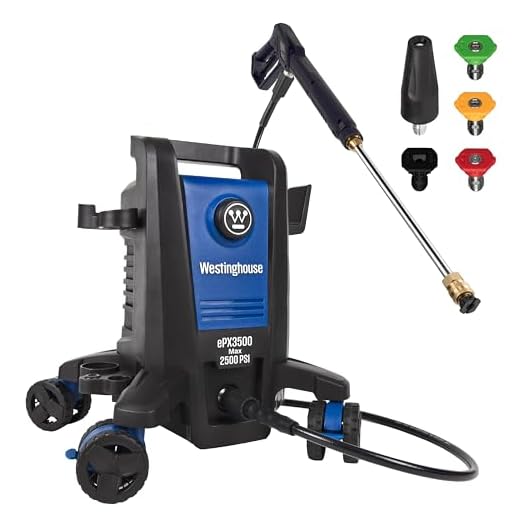
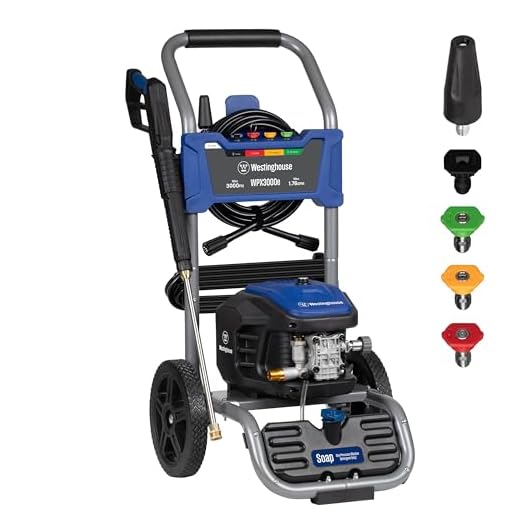
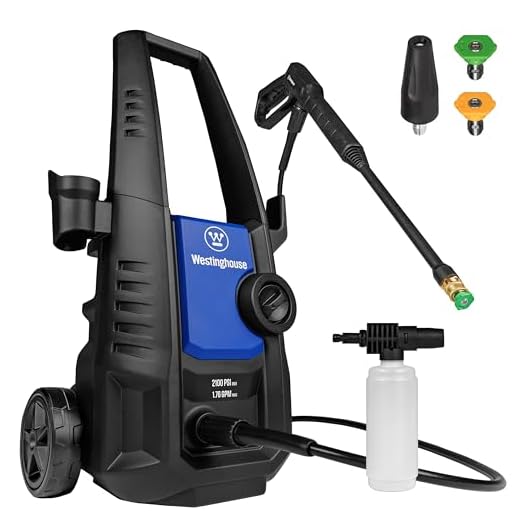
The term “bar” refers to the unit of pressure measurement known as the “bar” or “bar gauge”. It is commonly used in Europe and is equivalent to approximately 14.5 pounds per square inch (psi). So, if you see a pressure washer with a rating of 120 bar, this means that the machine is capable of producing a pressure of 120 times the atmospheric pressure.
Knowing the bar rating of your pressure washer is important because it determines the machine’s cleaning power. A higher bar rating indicates that the pressure washer can deliver a greater force, making it more effective at removing tough dirt, grime, and stains.
However, it is also important to note that the bar rating is not the only factor to consider when choosing a pressure washer. The flow rate, measured in liters per hour (L/h) or gallons per minute (GPM), also plays a crucial role in determining the overall cleaning performance. A high bar rating with a low flow rate may not be as effective as a lower bar rating with a higher flow rate.
It is recommended to consider both the bar rating and the flow rate when selecting a pressure washer for your specific cleaning needs. Ideally, you should choose a machine that offers a balance between the two, ensuring efficient and thorough cleaning results.
In conclusion, understanding the meaning of “bar” on a pressure washer is essential for using the machine effectively. The bar rating indicates the pressure output of the machine and determines its cleaning power. When choosing a pressure washer, consider both the bar rating and the flow rate for optimal cleaning performance.
Explaining the Concept of “Bar”
When it comes to pressure washers, the term “bar” is often used to measure the intensity of the water pressure. So what exactly does “bar” mean?
Bar is a unit of pressure commonly used in Europe and is equal to 100,000 pascals. To put it simply, it is a measure of force per unit area. In the context of pressure washers, bar indicates the amount of force the water exerts on a given surface.
Understanding the concept of bar can help you choose the right pressure washer for your needs. The higher the bar rating, the more powerful the pressure washer will be. A pressure washer with a higher bar rating will be able to remove tougher dirt and grime more effectively.
It’s important to note that the bar rating is just one factor to consider when choosing a pressure washer. Other factors, such as water flow rate and nozzle type, also play a role in determining the performance of a pressure washer.
When using a pressure washer, it’s crucial to use the appropriate pressure setting based on the surface you are cleaning. The wrong pressure setting can damage delicate surfaces or even cause injury. Be sure to read the manufacturer’s instructions and guidelines before operating a pressure washer.
- Bar is a unit of pressure commonly used in Europe.
- It indicates the amount of force the water exerts on a surface.
- A higher bar rating means a more powerful pressure washer.
- Consider other factors like water flow rate and nozzle type when choosing a pressure washer.
- Always use the appropriate pressure setting for the surface you are cleaning.
The Importance of Bar in Pressure Washer Performance
When it comes to pressure washers, the unit of measurement that is often used to indicate the cleaning power is “bar”. But what exactly does bar mean in the context of pressure washers and why is it important?
Bar is a unit of pressure commonly used in many industries, including the cleaning industry. In the context of pressure washers, bar refers to the amount of pressure that the machine can generate. The higher the bar rating, the more powerful the pressure washer is.
Having a high bar rating is important for several reasons. First and foremost, it determines the cleaning effectiveness of the pressure washer. A higher bar rating means that the pressure washer can generate more force, which in turn allows it to clean more stubborn dirt and grime. This is particularly important for tasks such as removing oil stains from driveways or cleaning heavily soiled surfaces.
In addition to cleaning power, the bar rating also affects the overall performance and efficiency of the pressure washer. A higher bar rating means that the machine can cover a larger area in a shorter amount of time, making it more efficient for larger cleaning tasks. It also ensures that the pressure washer can tackle a wide range of cleaning jobs, from light-duty tasks such as washing cars, to heavy-duty tasks such as cleaning patios or decks.
It is worth noting that the bar rating should always be considered in conjunction with other factors such as the flow rate (liters per hour) and nozzle type. These factors work together to determine the overall performance of the pressure washer. Therefore, it is important to choose a pressure washer that has a balanced combination of bar rating, flow rate, and nozzle type to ensure optimal cleaning results.
| Bar Rating | Cleaning Power | Performance | Efficiency |
|---|---|---|---|
| 100-150 bar | Light-duty cleaning | Efficient for small cleaning tasks | Ideal for residential use |
| 150-200 bar | Moderate-duty cleaning | Efficient for medium-sized cleaning tasks | Suitable for commercial use |
| 200+ bar | Heavy-duty cleaning | Efficient for large cleaning tasks | Ideal for industrial use |
In conclusion, bar is an important measurement in determining the cleaning power, performance, and efficiency of a pressure washer. By understanding the significance of bar and considering it in conjunction with other factors, you can choose a pressure washer that is suitable for your specific cleaning needs.
Different Bar Ratings and Their Applications
When it comes to pressure washers, the bar rating is an essential specification to consider. The bar rating indicates the pressure at which water is delivered by the machine, measured in bars. Understanding different bar ratings and their applications can help you choose the right pressure washer for your needs.
Low-Pressure Washers (100-150 bar)
Low-pressure washers usually have a bar rating between 100-150 bar. These machines are ideal for light cleaning tasks such as washing cars, bikes, and garden furniture. They provide enough pressure to remove dirt and grime effectively without causing any damage to the surface.
Medium-Pressure Washers (150-200 bar)
Medium-pressure washers have a bar rating between 150-200 bar. These machines are suitable for a wide range of cleaning applications, including cleaning driveways, patios, and decks. They offer more power than low-pressure washers and can remove tough stains and stubborn dirt effectively.
High-Pressure Washers (200+ bar)
High-pressure washers have a bar rating of 200+ bar. These machines are designed for heavy-duty cleaning tasks and industrial applications. They are perfect for cleaning large areas, removing graffiti, and preparing surfaces for painting. However, caution should be exercised when using high-pressure washers as they can cause damage to delicate surfaces if used improperly.
It is important to choose a pressure washer with the appropriate bar rating for the task at hand. Using a machine with too low bar rating may result in ineffective cleaning, while using one with too high bar rating may cause damage. Consider the surface you need to clean, the level of dirt and grime, and the intended application when selecting a pressure washer.
Remember, always follow the manufacturer’s instructions and safety guidelines when using a pressure washer to ensure proper operation and avoid accidents.
Tips for Choosing the Right Bar Rating for Your Pressure Washer
When it comes to choosing a pressure washer, one important factor to consider is the bar rating. The bar rating is a measure of the pressure that the washer can generate, and it plays a crucial role in determining the effectiveness of the machine. Here are some tips to help you choose the right bar rating for your pressure washer.
1. Consider the Cleaning Task
The first thing you need to consider is the type of cleaning tasks you will be performing. Different cleaning tasks require different levels of pressure. For light tasks such as washing vehicles or cleaning windows, a pressure washer with a lower bar rating (around 100-150 bar) should be sufficient. On the other hand, heavy-duty cleaning tasks such as removing stubborn dirt or cleaning large outdoor areas may require a pressure washer with a higher bar rating (above 150 bar).
2. Assess the Surface Material
The surface material you will be cleaning is another important factor to consider. Softer surfaces, such as wood or painted surfaces, are more delicate and can be easily damaged by high-pressure water. In this case, it is recommended to choose a pressure washer with a lower bar rating to minimize the risk of causing damage. For harder surfaces like concrete or brick, a higher bar rating may be needed to effectively remove dirt and stains.
3. Check the Manufacturer’s Recommendations
It is always a good idea to check the manufacturer’s recommendations before choosing a pressure washer. They often provide guidelines on the appropriate bar rating for different cleaning tasks and surface materials. Following their recommendations will not only ensure optimal cleaning results but also help prolong the lifespan of your pressure washer.
| Pressure Washer Bar Rating | Recommended Cleaning Tasks |
|---|---|
| 100-150 bar | Washing vehicles, cleaning windows |
| 150-200 bar | Removing stubborn dirt, cleaning patios |
| Above 200 bar | Cleaning large outdoor areas, removing tough stains |
By considering the cleaning tasks, surface material, and manufacturer’s recommendations, you can choose the right bar rating for your pressure washer and ensure efficient and effective cleaning every time.
Questions and answers
What does BAR mean on a pressure washer?
BAR is a unit of pressure measurement, commonly used in Europe, that stands for “barometric pressure.” In the context of a pressure washer, BAR refers to the maximum pressure that the machine can generate.
How does the BAR rating affect the performance of a pressure washer?
The BAR rating is an indication of the pressure output of a pressure washer. A higher BAR rating means a higher pressure output, resulting in more powerful cleaning and the ability to tackle more stubborn dirt and grime.
What is a good BAR rating for a pressure washer?
The recommended BAR rating for a pressure washer depends on the intended use. For household cleaning tasks, a pressure washer with a BAR rating of 100-150 bar is generally sufficient. However, for more demanding commercial or industrial use, a higher BAR rating of 150-200 bar or more may be necessary.
Can I use a pressure washer with a higher BAR rating than recommended?
Using a pressure washer with a higher BAR rating than recommended can potentially cause damage to the surface being cleaned, especially if it is a delicate material. It is always best to follow the manufacturer’s guidelines and use the appropriate BAR rating for the task at hand.
Are there any safety precautions to consider when using a high BAR pressure washer?
When using a high BAR pressure washer, it is important to wear protective gear such as gloves and safety goggles to protect yourself from high-pressure water and potential debris. It is also important to read and follow the manufacturer’s instructions to ensure safe and proper operation of the machine.
What is the meaning of “bar” on a pressure washer?
On a pressure washer, “bar” refers to the unit of pressure measurement. It is equivalent to one atmosphere of pressure, which is approximately 14.5 pounds per square inch (psi).