
Blog
How To Service A Pressure Washer Pump
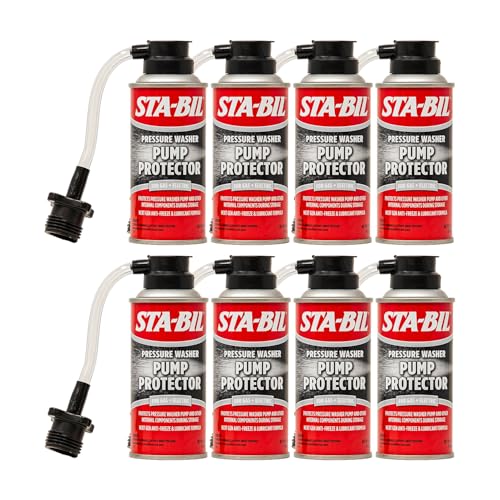
Keeping your pressure washer pump in good working order is essential for optimal performance and longevity. Regular maintenance and servicing of the pump can help prevent breakdowns and expensive repairs. Whether you’re a professional or a homeowner who relies on a pressure washer for various cleaning tasks, knowing how to service the pump will save you time and money in the long run.
First, it’s important to understand the components of a pressure washer pump. The pump is responsible for drawing in water from the source and pressurizing it for effective cleaning. It consists of several parts, including valves, pistons, seals, and an inlet/outlet port. These parts work together to create the desired pressure output.
Regular Cleaning and Inspection: Start by cleaning the pump thoroughly to remove any dirt, debris, or residue that may have accumulated. Use a brush or a soft cloth to clean the exterior of the pump. Then, inspect the pump for any signs of damage, such as leaks, cracks, or worn-out parts. Pay special attention to the seals and valves, as they are prone to wear and tear. Replace any damaged or worn-out parts.
Changing the Oil: The pump requires regular oil changes to ensure smooth operation. Refer to the manufacturer’s instructions for the recommended oil type and the frequency of oil changes. Drain the old oil carefully, making sure not to spill any oil on the ground or the engine. Replace it with fresh oil of the recommended type and fill it to the appropriate level. This will help prevent pump damage and maintain proper lubrication.


Flush the System: Flushing the system is important to remove any built-up dirt, debris, or contaminants that may hinder the pump’s performance. Disconnect the hoses and attach a garden hose to the inlet port. Turn on the water supply and let it run through the pump for a few minutes. This will help clean the internal components and ensure optimal performance.
By regularly servicing your pressure washer pump, you can extend its lifespan and ensure consistent performance. Following these steps will help keep your pump in excellent condition and make your cleaning tasks easier and more efficient.
Tips for Servicing Your Pressure Washer Pump
Servicing your pressure washer pump regularly is essential to ensure its longevity and optimal performance. Here are some useful tips to help you maintain and service your pressure washer pump:
1. Check and Replace Seals and O-Rings
Inspecting the seals and O-rings is a crucial step in pump maintenance. Over time, these parts can wear out or become damaged, causing leaks. Inspect them regularly and replace any worn or damaged seals and O-rings to prevent further damage to your pump.
2. Clean the Pump Inlet Filter
The pump inlet filter prevents debris from entering the pump and causing damage. Regularly clean the filter to ensure a consistent flow of clean water into the pump. If the filter is excessively dirty or damaged, replace it with a new one to maintain optimal pump performance.
3. Use Clean Water
Using clean water is crucial to prevent clogging and damage to the pump. Avoid using water from ponds or other sources that may contain dirt, sand, or other particles. If necessary, use a sediment filter to remove impurities before connecting the water supply to your pressure washer.
4. Flush the Pump After Each Use
Flushing the pump after each use helps remove any remaining debris or detergent residues. Follow the manufacturer’s instructions for flushing the pump. This simple step can significantly extend the life of your pressure washer pump.
5. Check and Adjust the Pressure
Regularly check the pressure of your pressure washer pump and make any necessary adjustments. Low pressure may indicate a clogged nozzle or other issues, while high pressure can damage the pump. Refer to the user manual for instructions on how to adjust the pressure correctly.
6. Use Pump Lubricant
Using a pump lubricant can help reduce friction and wear on the pump’s internal components. Apply lubricant to the pump according to the manufacturer’s instructions. This step can help extend the lifespan of your pressure washer pump.
7. Store the Pump Properly
Properly storing your pressure washer pump when not in use is crucial to prevent damage. Drain any remaining water from the pump and store it in a clean, dry location. Protect the pump from extreme temperatures and keep it away from corrosive substances.
By following these tips, you can ensure that your pressure washer pump remains in optimal condition for years to come, providing you with reliable performance whenever you need it.
Check for Any Leaks
One of the most important maintenance tasks for a pressure washer pump is to regularly check for any leaks. Leaks can indicate a problem with the pump or its components, and if left unaddressed, can lead to further damage or reduced performance.
Start by visually inspecting the pump for any signs of leaks. Look for dripping or pooling water around the base of the pump, as well as any wet spots on the hoses or fittings. These can be indications of a leak.
In addition to visual inspection, you can also perform a pressure test to check for leaks. Start by disconnecting the pressure washer from the power source and water supply. Then, attach a pressure gauge to the pump’s outlet fitting. Slowly turn on the water supply while monitoring the pressure gauge. If the pressure drops or there are noticeable fluctuations, it could be a sign of a leak.
If you do find a leak, it’s important to address it as soon as possible. Start by identifying the source of the leak. It could be a loose connection, a damaged seal, or a worn-out gasket. Tighten any loose connections and replace any faulty or worn-out parts. If you’re unsure how to fix the leak, consult the manufacturer’s instructions or seek professional assistance.
Preventing Leaks
Regular maintenance can help prevent leaks from occurring in the first place. Here are a few tips to keep your pressure washer pump in good condition:
- Inspect and clean the pump regularly to remove any dirt, debris, or corrosive substances that can cause damage.
- Ensure all connections are tight and secure before each use.
- Follow the manufacturer’s guidelines for lubrication and use the recommended lubricants to prevent seal deterioration.
- Store the pressure washer in a clean, dry location to protect it from the elements.
By regularly checking for leaks and following these preventive measures, you can ensure your pressure washer pump operates efficiently and lasts for a long time.
Clean the Pump Filter
One important maintenance step for a pressure washer pump is to clean the pump filter regularly. The pump filter prevents debris and sediment from entering the pump and causing damage.
To clean the pump filter, follow these steps:
- First, locate the pump filter. It is usually located on the inlet side of the pump, near where the water hose connects.
- Once you have located the pump filter, remove it by twisting or unscrewing it counterclockwise.
- Inspect the pump filter for any dirt, debris, or clogs. If necessary, use a brush or toothbrush to gently scrub away any buildup.
- Rinse the pump filter with clean water to remove any remaining dirt or debris.
- After cleaning the pump filter, reinsert it into place by twisting or screwing it back in clockwise.
Regularly cleaning the pump filter will help ensure that your pressure washer pump operates at its best and continues to provide optimal performance. It is recommended to clean the pump filter at least once a month or more frequently if you notice a decrease in water flow or pressure.
Caution:
Before cleaning the pump filter, always remember to turn off the pressure washer and disconnect it from the power source. This will prevent any accidents or injuries.
Troubleshooting Tip:
If you have cleaned the pump filter and are still experiencing issues with water flow or pressure, it may be necessary to replace the pump filter or seek professional assistance.
Inspect and Replace Seals and O-Rings
One of the most important steps in servicing a pressure washer pump is inspecting and replacing the seals and O-rings. Seals and O-rings are essential components that help create a tight seal between different parts of the pump, preventing water leaks and ensuring optimal performance. Over time, these seals and O-rings can wear out or become damaged, resulting in leaks or loss of pressure.
To inspect the seals and O-rings, start by removing the pump from the pressure washer and disassembling it. Carefully examine each seal and O-ring for signs of wear, cracking, or damage. Pay close attention to areas where leaks are commonly found, such as the pressure relief valve, the inlet and outlet connections, and the piston seals.
If you notice any signs of damage or wear, it’s crucial to replace the seals and O-rings. You can find replacement seals and O-rings at your local hardware store or pressure washer dealer. Make sure to get the correct size and type for your specific pump model.
To replace the seals and O-rings, carefully remove the old ones by gently prying them out with a small screwdriver or O-ring pick. Be cautious not to scratch or damage the pump’s housing or other components while doing this. Once the old seals and O-rings are removed, clean the areas thoroughly with a mild detergent and water solution, removing any dirt or debris that may have accumulated.
Next, lubricate the new seals and O-rings with a silicone-based lubricant to ease installation and ensure a proper seal. Carefully insert the new seals and O-rings into their respective positions, making sure they fit snugly and uniformly. Use a small amount of pressure to push them into place, but be gentle to avoid damaging the new seals and O-rings.
After replacing all the seals and O-rings, reassemble the pump and reinstall it onto the pressure washer. Test the pump to ensure there are no leaks and that it is working properly. If you notice any issues or leaks, double-check that the seals and O-rings are correctly installed.
Regularly inspecting and replacing seals and O-rings is essential for maintaining the performance and reliability of your pressure washer pump. By following these steps, you can ensure that your pump operates at its best and lasts for a long time.
Lubricate the Pump
Proper lubrication is essential for keeping your pressure washer pump running smoothly and efficiently. Without regular lubrication, the pump can become damaged and lose its effectiveness. Follow these steps to lubricate your pressure washer pump:
- Locate the oil fill cap on the pump. It is usually located near the bottom or side of the pump.
- Remove the oil fill cap and check the oil level. The oil should reach the full mark on the dipstick or sight glass.
- If the oil level is low, add the recommended type and amount of oil for your specific pump. Consult the manufacturer’s instructions or owner’s manual for the correct oil type and amount.
- Tightly screw the oil fill cap back onto the pump.
- Start the pressure washer and allow it to run for a few minutes to distribute the oil throughout the pump.
- Check the oil level again and top up if necessary.
- It is recommended to change the pump oil after every 50 hours of use or once a year, whichever comes first, to ensure optimal performance.
Regularly lubricating your pressure washer pump will help extend its lifespan and keep it operating at its best. Make sure to consult your owner’s manual or manufacturer’s instructions for specific lubrication requirements for your pump.
Questions and answers
What is a pressure washer pump?
A pressure washer pump is the part of a pressure washer that is responsible for creating the high-pressure water flow. It transfers water from the water source to the nozzle, creating the pressure needed for effective cleaning.
Why is it important to service a pressure washer pump?
Servicing a pressure washer pump is important to ensure its proper functioning and longevity. Regular maintenance helps prevent any potential issues and keeps the pump running smoothly, resulting in better performance and a longer lifespan.
What are the signs that a pressure washer pump needs servicing?
There are several signs that indicate a pressure washer pump needs servicing. These include decreased pressure or water flow, leaking water, strange noises coming from the pump, and difficulty in starting the pressure washer. If you notice any of these signs, it’s time to service the pump.
How often should a pressure washer pump be serviced?
The frequency of servicing a pressure washer pump depends on how often it is used. However, it is generally recommended to service the pump at least once a year or every 50-100 hours of use. Regular maintenance ensures optimal performance and extends the life of the pump.