
Blog
Can You Hook Up A Pressure Washer To A Sink
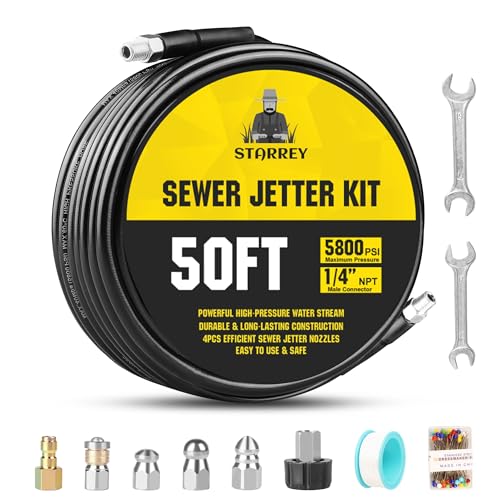
Pressure washers are powerful tools that can make cleaning tasks much easier and more efficient. They use high-pressure water to remove dirt, grime, and other debris from surfaces, making them ideal for cleaning driveways, decks, and outdoor furniture. But what if you don’t have access to an outdoor faucet or hose? Can you hook up a pressure washer to a sink instead?
The short answer is yes, it is possible to connect a pressure washer to a sink. However, there are a few things you need to consider before attempting to do so.
Firstly, you will need to ensure that your sink has a faucet that can handle the high pressure of a pressure washer. Most standard sink faucets are not designed to withstand the high pressure, so you may need to invest in a faucet adapter that is specifically designed for pressure washers. This will help to regulate the water pressure and prevent any damage to your sink or plumbing.
Secondly, you will need to check the water flow rate and pressure of your sink. Pressure washers require a certain flow rate and pressure to function properly, so it’s important to make sure that your sink can provide this. You may need to install a water pressure regulator to ensure that the water flow and pressure are at the correct levels.


Lastly, you will need to consider the drainage of the water. Pressure washers use a lot of water, so you will need to make sure that your sink has a proper drainage system in place. You may need to install a sink drain pump or connect the pressure washer to a separate drainage system.
In conclusion, while it is possible to connect a pressure washer to a sink, it may require some additional equipment and modifications to ensure that everything is working properly and safely. It’s always a good idea to consult a professional or the manufacturer of your pressure washer before attempting to hook it up to a sink.
Benefits of Using a Pressure Washer
Pressure washers are versatile cleaning tools that can be used for a wide range of tasks. Here are some of the main benefits of using a pressure washer:
1. Efficient Cleaning
A pressure washer uses high-pressure water to remove dirt, grime, mold, and other contaminants from surfaces. The powerful stream of water can quickly and effectively clean driveways, decks, siding, and even vehicles. Compared to traditional cleaning methods, such as scrubbing with a brush, using a pressure washer can save a significant amount of time and effort.
2. Versatility
Pressure washers come with different nozzles and attachments that allow you to adjust the water pressure and spray pattern to suit various cleaning tasks. This versatility makes pressure washers suitable for cleaning delicate surfaces, such as windows and furniture, as well as tough stains and debris on concrete or metal surfaces.
3. Cost Savings
Investing in a pressure washer can save you money in the long run. With regular use, pressure washers can extend the lifespan of your outdoor surfaces, as they help remove built-up dirt, algae, and mildew that can deteriorate and damage materials over time. By maintaining your outdoor areas and belongings with a pressure washer, you can avoid costly repairs or replacements.
4. Eco-Friendly
Pressure washers use water as their main cleaning agent, eliminating the need for harsh chemical cleaners. This makes pressure washing a more environmentally friendly option, as it reduces water pollution and the use of harmful substances that can be detrimental to plants, animals, and human health. Additionally, pressure washers typically use less water compared to traditional hose methods, further contributing to water conservation.
| Benefits of Using a Pressure Washer |
|---|
| Efficient Cleaning |
| Versatility |
| Cost Savings |
| Eco-Friendly |
Steps to Connect a Pressure Washer to a Sink
Connecting a pressure washer to a sink can be a convenient solution for various cleaning tasks. Follow these steps to connect your pressure washer to a sink:
1. Gather the necessary equipment:
Before you start the setup process, make sure you have all the required equipment. This usually includes a pressure washer, a garden hose, a sink adapter, and a faucet-to-hose adapter. Additionally, check if you need any specific fittings for your sink or pressure washer model.
2. Prepare the sink:
Clear the area around the sink and make sure it is clean and free from any debris. Remove any attachments or aerators from the faucet to ensure a smooth connection.
3. Attach the sink adapter:
Take the sink adapter and screw it onto the faucet. Make sure it is tight and secure to prevent any leaks. Depending on the adapter type, you may need to use a wrench or pliers to tighten it properly.
4. Connect the garden hose:
Attach one end of the garden hose to the sink adapter. Again, ensure it is tight and secure. If using a new garden hose, make sure to remove any kinks or twists before connecting it.
5. Attach the faucet-to-hose adapter:
Connect the other end of the garden hose to the faucet-to-hose adapter. Screw it on tightly to avoid any leaks. This adapter acts as a bridge between the sink adapter and the pressure washer.
6. Connect the pressure washer:
Attach the other end of the faucet-to-hose adapter to the pressure washer’s water inlet. Make sure it is tightly connected to prevent any water leakage.
7. Test the connection:
Turn on the faucet and check for any leaks around the connections. If everything is secure, turn on the pressure washer and test it to ensure proper water flow.
8. Start cleaning:
Once you have successfully connected the pressure washer to the sink, you are ready to start your cleaning tasks. Make sure to follow the manufacturer’s instructions for safe and efficient operation.
Note: It’s essential to ensure that the sink and faucet can handle the water pressure generated by the pressure washer. If you have concerns about water pressure or any potential damage to the sink or faucet, consult a professional plumber.
Important Considerations Before Connecting a Pressure Washer to a Sink
Using a pressure washer in your cleaning routine can make quick work of tough stains and dirt buildup. While most pressure washers are designed to be used with an external water source, some models can be connected directly to a sink. However, before you set up your pressure washer with a sink, there are a few important considerations to keep in mind to ensure a safe and efficient operation.
1. Water Supply
The first thing to consider is whether your sink can provide enough water flow and pressure to properly operate the pressure washer. Most pressure washers require a minimum water flow rate and pressure to function effectively. Check the specifications of your pressure washer to ensure that your sink can meet these requirements. If your sink’s water supply is inadequate, you may need to install a booster pump or use an alternative water source.
2. Sink Faucet Compatibility
Not all pressure washers are compatible with all types of sink faucets. Check the design and size of your sink faucet to ensure that it can accommodate the pressure washer’s connection. Some faucets may require additional adapters or fittings to connect the pressure washer properly. It is essential to choose the right fittings to avoid leaks and ensure a secure connection.
3. Draining Water
Using a pressure washer connected to a sink may require a method for draining water. Pressure washers produce a significant amount of wastewater, and it is crucial to have a proper drainage plan in place to prevent flooding or damage. Consider whether your sink has a built-in drain or if you need to connect a separate drainage system. Be sure to follow local regulations and guidelines for wastewater disposal.
Conclusion
Connecting a pressure washer to a sink can be a convenient option for smaller cleaning tasks. However, it is essential to consider the water supply, sink faucet compatibility, and drainage options before setting up your pressure washer. Taking these factors into account will help ensure a safe and effective cleaning experience.
Questions and answers
Can I connect a pressure washer to a kitchen sink?
Yes, you can connect a pressure washer to a kitchen sink by using a special adapter that allows you to connect the pressure washer’s hose to the sink’s faucet.
What kind of adapter do I need to connect a pressure washer to a sink?
You will need a sink faucet adapter that is compatible with your pressure washer’s hose. These adapters can usually be found at hardware or home improvement stores.
Is it safe to connect a pressure washer to a sink?
Yes, it is generally safe to connect a pressure washer to a sink as long as you follow the manufacturer’s instructions and ensure that the sink can handle the water pressure. However, it is always a good idea to check with a professional plumber if you have any concerns.
Can I use a pressure washer with a sink that has low water pressure?
Using a pressure washer with a sink that has low water pressure may not provide the optimal cleaning power. It is recommended to have a minimum water pressure of at least 40-50 PSI for a pressure washer to work effectively. If your sink’s water pressure is lower than that, you may want to consider using a different water source or using a different cleaning method.