
Blog
How To Tell If Your Pressure Washer Pump Is Bad
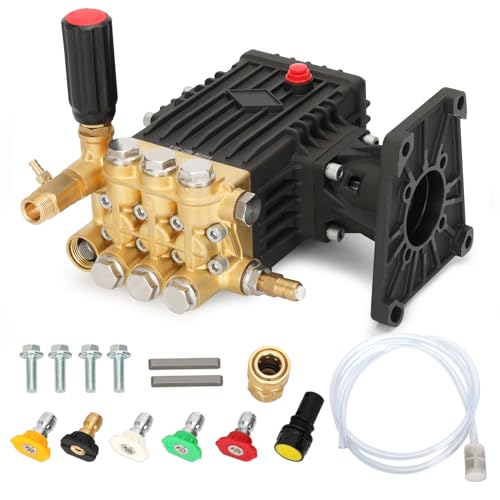
Pressure washers are powerful tools that can make cleaning tasks much easier and more efficient. However, like any machinery, pressure washers can experience problems over time, and one of the most common issues is a failing pump. The pump is a crucial component of the pressure washer, responsible for creating the high-pressure water flow. If the pump is bad, it can greatly affect the performance and effectiveness of the pressure washer.
So, how can you tell if your pressure washer pump is bad? There are several signs that indicate pump failure. First, if you notice a sudden loss in pressure or a significant decrease in water flow, it is likely that your pump is not functioning properly. Another common sign is excessive noise or vibration coming from the pump. A failing pump may also leak water, which can be a clear indication of a problem. Additionally, if you experience difficulty in starting or maintaining the pressure washer, it may be due to a faulty pump.
It is important to address pump issues as soon as possible to prevent further damage to your pressure washer. Fortunately, there are several steps you can take to diagnose and troubleshoot pump problems. First, check for any visible leaks or damage to the pump. Inspect all the connections and fittings to ensure they are tight and secure. Next, clean the intake filter and nozzle to remove any clogs or debris that may be affecting the pump’s performance. You may also want to check the oil level and quality in the pump, as low or dirty oil can cause pump failure.
If you have performed these basic checks and your pump is still not working properly, it may be necessary to replace the pump. It is recommended to consult the manufacturer’s manual or contact a professional for assistance with pump replacement. Remember, a functioning pump is essential for the proper operation of your pressure washer, so it is important to address any pump issues promptly.


Signs you need a pressure washer pump replacement
If you have been using your pressure washer for an extended period of time, it is important to keep an eye out for any signs that your pump may need to be replaced. Here are some key indicators that it may be time for a new pressure washer pump:
1. Loss of pressure: One of the most obvious signs that your pressure washer pump is failing is a noticeable loss of pressure. If you notice that the water coming out of your machine is not as forceful as it used to be, this is a clear indication that the pump is not functioning properly.
2. Irregular water flow: Another sign that your pump may need to be replaced is if you experience an irregular water flow. If you notice that the water coming out of your machine is pulsating or surging, this can be a sign that the pump is not able to consistently provide a steady stream of water.
3. Strange noises: Unusual noises coming from your pressure washer pump can also be a red flag that something is wrong. If you hear grinding, rattling, or squealing sounds while your pressure washer is running, it is likely that a component within the pump is damaged and needs to be replaced.
4. Leaking oil: If you notice an oil leak around the pressure washer pump, this is a clear indication that there is a problem. A pump that is leaking oil is not only inefficient, but it can also cause further damage if not addressed promptly. It is important to replace the pump as soon as possible to prevent any additional issues.
5. Excessive vibration: Excessive vibration during operation can be another sign that your pressure washer pump is on its last legs. If you notice that your machine is vibrating more than usual, it is likely that the pump is not able to operate smoothly and efficiently, and a replacement may be necessary.
If you notice any of these signs, it is important to act quickly and replace your pressure washer pump to avoid further damage and maintain the optimal performance of your machine.
Lack of water pressure
If you notice a lack of water pressure when using your pressure washer, it could be a sign that your pump is bad. One possible reason for this is a clogged or faulty inlet valve. The inlet valve controls the flow of water into the pump, and if it becomes clogged or damaged, it can result in reduced water pressure. Another possible cause is a worn or damaged seal or piston. Over time, the seals and pistons in your pressure washer pump can wear down and become ineffective, resulting in a decrease in water pressure. Additionally, a leak in the pump’s plumbing or a kinked hose can also cause a loss of water pressure. It is important to address this issue promptly, as using a pressure washer with low water pressure can lead to inefficient cleaning and potential damage to the pump.
Strange noises
If you notice strange noises coming from your pressure washer pump, it may be a sign that something is wrong. Unusual sounds could indicate a variety of issues, including a worn-out bearing, a damaged piston, or a loose connection. It is important to pay attention to these noises and investigate the cause, as continued use of a malfunctioning pump can lead to further damage.
Here are some common strange noises to look out for:
| Noise | Possible Cause |
|---|---|
| Squealing or whining | Worn bearing or faulty belt |
| Clicking or knocking | Loose components or damaged piston |
| Rattling or vibrating | Loose parts or damaged valves |
If you experience any of these unusual noises, it is recommended to stop using the pressure washer and inspect the pump for any signs of damage. You may need to replace or repair certain components to resolve the issue. It is always best to consult the manufacturer’s instructions or seek professional help if you’re unsure about how to proceed.
Leaking oil or water
If you notice oil or water leaking from your pressure washer pump, it is a sign of a potential problem. Leaks can occur due to various reasons, including worn-out seals or gaskets, loose fittings, or cracks in the pump housing.
Oil leaks can usually be identified by the presence of oil stains or puddles underneath the pump. If the oil level in the pump is decreasing rapidly, it may indicate a more severe issue with the pump’s internal components.
Water leaks, on the other hand, can be identified by the presence of water dripping or spraying from the pump. This can occur if the pump’s seals or fittings are damaged or if there is a crack in the pump housing. Water leaks can not only affect the performance of your pressure washer but can also potentially damage its electrical components.
If you notice any oil or water leaks from your pressure washer pump, it is recommended to address the issue as soon as possible. Continuing to use the pressure washer with a leaking pump can worsen the problem and potentially lead to further damage. Depending on the severity of the leak, you may need to replace the seals, gaskets, or even the entire pump.
| Signs of leaking oil or water from the pressure washer pump: | – Oil stains or puddles underneath the pump |
| – Rapid decrease in oil level | |
| – Water dripping or spraying from the pump | |
| Possible causes: | – Worn-out seals or gaskets |
| – Loose fittings | |
| – Cracks in the pump housing | |
| Recommended actions: | – Address the issue as soon as possible |
| – Replace seals, gaskets, or the entire pump if necessary |
Inconsistent spray pattern
If you notice that your pressure washer’s spray pattern is inconsistent and looks uneven, it may be a sign that your pump is bad. A healthy pump is responsible for delivering a steady and consistent stream of water at the desired pressure. However, a pump that is malfunctioning or failing may cause the spray pattern to be erratic or spotty.
This issue can be caused by a variety of problems with your pressure washer pump. It could be a worn-out or damaged seal, a clogged or damaged nozzle, or a faulty pressure regulator. Additionally, insufficient water flow or pressure from your water source can also lead to an inconsistent spray pattern.
If you are experiencing an inconsistent spray pattern, you can try troubleshooting the issue before concluding that your pump is bad. Check for any clogs or debris in the nozzle or the pump inlet. Make sure that the pressure regulator is properly adjusted and the water supply is sufficient.
If these troubleshooting steps do not solve the problem, it is likely that your pressure washer pump is bad and needs to be replaced. A malfunctioning pump can put extra strain on other components of your pressure washer and may lead to further damage if not addressed promptly. It is important to replace a faulty pump to ensure optimal performance and longevity of your pressure washer.
Questions and answers
What are the signs of a bad pressure washer pump?
There are several signs that indicate a bad pressure washer pump. These include low water pressure, uneven water flow, leaking oil or water, unusual noises coming from the pump, and excessive vibration while operating the pressure washer.
How can I check if my pressure washer pump is bad?
You can check if your pressure washer pump is bad by performing a few diagnostic checks. Start by inspecting the pump for any signs of leaks or damage. Check the oil level and quality, as well as the water inlet filter. If everything appears to be normal, you can connect a pressure gauge to the pump outlet and check if it reaches the specified pressure. If the pressure is significantly lower than it should be, it might indicate a bad pump.
What causes a pressure washer pump to go bad?
There can be several causes for a pressure washer pump to go bad. One common cause is running the pressure washer without water, as this can cause the pump to overheat and damage its components. Another cause can be using cleaning solutions or chemicals that are not compatible with the pressure washer, leading to corrosion or clogging of the pump. Additionally, using the pressure washer for extended periods or at higher pressures than recommended can also contribute to the pump failure.
Can a bad pressure washer pump be repaired?
In some cases, a bad pressure washer pump can be repaired. If the issue is a simple one, such as a clogged nozzle or a broken seal, it might be possible to fix it by cleaning or replacing the affected parts. However, more serious damage, such as a cracked pump housing or a seized piston, might require replacing the entire pump. It is recommended to consult a professional technician for a proper diagnosis and repair.
How often should I inspect and maintain my pressure washer pump?
It is important to regularly inspect and maintain your pressure washer pump to prevent problems and prolong its lifespan. Generally, it is recommended to check the pump before each use, looking for any signs of leaks or damage. Additionally, it is advised to change the oil and clean or replace the water inlet filter at least once a season or after every 50 hours of operation. Regular maintenance will help ensure optimal performance and avoid costly repairs.
What are the signs that indicate a bad pressure washer pump?
There are several signs that can indicate a bad pressure washer pump. Some of the most common signs include reduced water pressure, unusual noises coming from the pump, leaks or drips, and difficulties starting or stopping the pump.