
Blog
Do You Have To Use Soap With A Pressure Washer
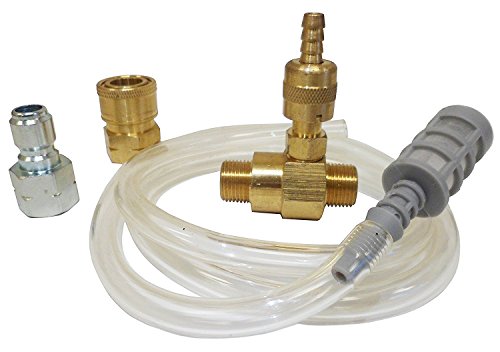
Pressure washers are versatile cleaning tools that can make quick work of a variety of outdoor cleaning tasks.
When it comes to tackling tough dirt, grime, and stains, many people wonder if they need to use soap with a pressure washer. While a pressure washer can be effective on its own, using soap can enhance the cleaning power and efficiency of the machine.


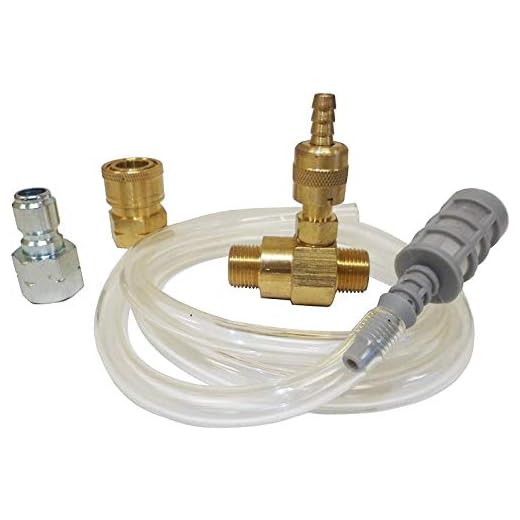
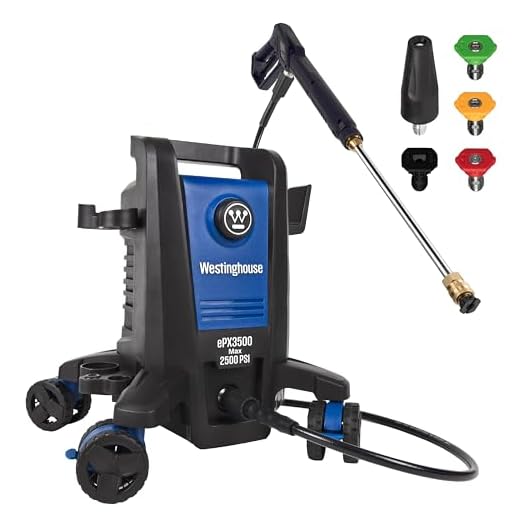
Using soap with a pressure washer can help break down stubborn dirt and stains, making them easier to remove. Soap also helps to lubricate the surface being cleaned, reducing the risk of damage that can occur when using high-pressure water alone.
There are a variety of soaps available that are specifically designed for use with pressure washers. These soaps are formulated to clean effectively without damaging surfaces, and they often contain surfactants that help to lift dirt and grime.
However, it’s important to note that not all cleaning tasks require the use of soap with a pressure washer. For routine cleaning of relatively clean surfaces, such as rinsing off a patio or washing a car, water alone may be sufficient.
In conclusion, while it’s not always necessary to use soap with a pressure washer, it can be beneficial in certain situations, especially when dealing with tough dirt and stains. Using a high-quality soap specifically designed for pressure washers can help to maximize cleaning power and protect surfaces.
Do You Need Soap?
Using soap with a pressure washer can be beneficial in certain situations. While it is not always necessary to use soap, there are instances where it can greatly enhance the cleaning power of your pressure washer.

Benefits of Using Soap
Soap can help to break down stubborn stains and dirt, making it easier for the water pressure to remove them. It can also add an extra level of cleaning power to tackle tough grime and grease.
There are different types of soaps available for pressure washers, including general-purpose detergents, degreasers, and specialty soaps for specific cleaning tasks. These soaps are designed to work with the high-pressure water flow to maximize effectiveness.
When to Use Soap
Soap is particularly useful when cleaning heavily soiled surfaces, such as driveways, decks, or siding. It can help remove oil, grease, mildew, and other tough stains that water alone may not be able to remove.
If you are dealing with delicate surfaces, such as painted surfaces or fragile materials, it is best to avoid using soap altogether. In these cases, using only water with the pressure washer may be sufficient to clean the surface without causing damage.
It is important to follow the manufacturer’s instructions when using soap with a pressure washer. Different brands and models may have specific soap-to-water ratios, and using too much soap can leave a residue on the cleaned surface.
Conclusion
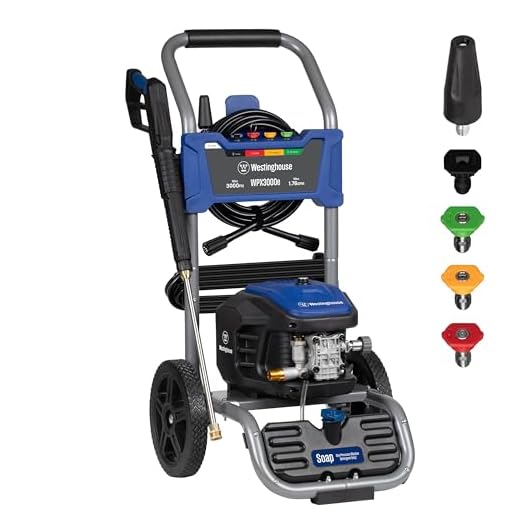
While using soap with a pressure washer is not always necessary, it can be beneficial in certain situations. It can enhance the cleaning power and help remove tough stains and dirt. Just ensure that you choose the appropriate soap for the task and follow the instructions carefully to achieve the best results.
The Importance of Soap in Pressure Washing
When using a pressure washer, the addition of soap can greatly enhance the cleaning process. Soap acts as a surfactant, breaking down dirt, grime, and grease, making it easier for the pressure washer to remove these substances from a variety of surfaces.
Here are several reasons why soap is important in pressure washing:
- Improved cleaning power: Soap helps to loosen and lift dirt and stains from surfaces. It helps to break down tough substances that water alone may not be able to dislodge effectively.
- Effective stain removal: Soap is especially helpful in removing tough stains, such as oil or grease. The combination of soap and water can effectively dissolve and emulsify these substances, making it easier to remove them completely.
- Kills bacteria and germs: Soap with added disinfectant can help to kill bacteria and germs on various surfaces. This is especially important for cleaning outdoor surfaces, such as patio furniture or decks, which can harbor harmful bacteria.
- Prevents damage: Some surfaces, such as delicate wood or painted areas, require extra care when pressure washing. The addition of soap allows for a gentler cleaning process, reducing the risk of damage to these surfaces.
- Enhances cleaning efficiency: Soap helps to lubricate the surface being cleaned, allowing the pressure washer to glide smoothly and evenly across the surface. This can help to achieve a more thorough and efficient cleaning result.
Overall, using soap in conjunction with a pressure washer can greatly enhance its cleaning capabilities. It is important to choose a soap specifically designed for pressure washing, as regular household soaps may not be as effective or could potentially damage the equipment. Following the manufacturer’s instructions and guidelines for soap usage is also crucial to ensure successful and safe pressure washing.
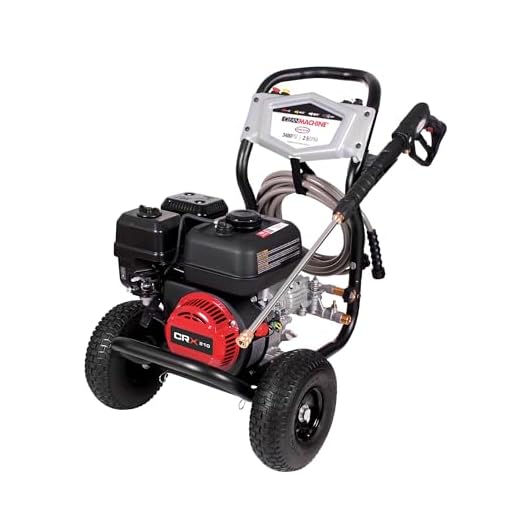
Benefits of Using Soap with a Pressure Washer
Using soap with a pressure washer can provide several benefits that can enhance the overall cleaning process. Here are some advantages of incorporating soap into your pressure washing routine:
1. Enhanced Cleaning Power
Soap helps to break down dirt, grime, and stubborn stains on different surfaces, making it easier to remove them with a pressure washer. It can penetrate deep into the pores of the material, loosening the dirt particles and allowing the pressurized water to effectively wash them away.
Whether you are cleaning your driveway, siding, or patio furniture, using soap will boost the cleaning power of your pressure washer, resulting in a more thorough and efficient clean.
2. Improved Safety
Soap not only aids in cleaning, but it can also enhance safety while pressure washing. When you apply soap to a surface before using the pressure washer, it creates a barrier between the nozzle and the material, preventing any potential damage that could be caused by the high-pressure water stream.
By using soap, you can reduce the risk of accidentally stripping paint, etching surfaces, or causing any other damage. This extra layer of protection ensures that you can clean effectively without worrying about harming the underlying material.

3. Added Versatility
Using soap expands the range of surfaces you can clean with a pressure washer. Different types of soap can be formulated for specific cleaning tasks, such as removing mildew, oil stains, or grease. This allows you to customize the cleaning process and achieve optimal results.
Additionally, using soap with a pressure washer makes it possible to clean delicate surfaces, such as outdoor furniture or vinyl siding, without causing any damage. The soap provides a gentle yet effective cleaning solution, giving you the flexibility to tackle a variety of cleaning projects.
In conclusion, incorporating soap into your pressure washing routine can significantly enhance the cleaning power, safety, and versatility of your pressure washer. By using soap, you can achieve a more thorough clean, protect surfaces from damage, and expand the range of materials and contaminants you can effectively clean.
Questions and answers
Can I clean surfaces using a pressure washer without using soap?
Yes, you can clean surfaces using a pressure washer without using soap. The powerful force of the water alone can help remove dirt and grime from surfaces. However, using soap can help enhance the cleaning process by breaking down grease and oily substances more effectively.
What are the advantages of using soap with a pressure washer?
Using soap with a pressure washer can bring several advantages. Firstly, soap helps to loosen and break down tough dirt and grime more effectively, making it easier to clean the surface. Secondly, soap can help remove oil, grease, and other stubborn stains that water alone may not be able to tackle. Lastly, soap can also provide added protection to the surface by creating a barrier against dirt and grime.

Can I use regular household soap or detergent with a pressure washer?
No, it is not recommended to use regular household soap or detergent with a pressure washer. These types of soaps are not formulated for use with pressure washers and may damage the equipment. It is best to use a soap specifically designed for pressure washers, as they are formulated to be safe and effective for use with the high-pressure water.
What type of soap should I use with a pressure washer?
It is recommended to use a soap that is specifically designed for use with pressure washers. These soaps are formulated to be safe and effective with the high-pressure water. There are different types of soaps available for different cleaning purposes, such as degreasers for removing oil and grease, or mild soaps for general cleaning. It is best to read the manufacturer’s instructions or consult with a professional to determine the appropriate soap for your cleaning needs.
Can I use bleach as a soap with a pressure washer?
No, it is not recommended to use bleach as a soap with a pressure washer. Bleach is a powerful chemical that can be harmful to the equipment and the environment if not used properly. Additionally, bleach can cause damage to certain surfaces and materials. It is best to use a soap that is specifically designed for pressure washers and follow the manufacturer’s instructions for safe and effective use.
Is it necessary to use soap with a pressure washer?
Using soap with a pressure washer is not always necessary, but it can be beneficial in certain situations. Soap helps to break down tough dirt, grease, and grime, making it easier to remove with the high-pressure water. However, for routine cleaning tasks, such as washing a car or cleaning the exterior of a house, water alone may be sufficient.