
Blog
Why Won’t My Pressure Washer Spray Soap
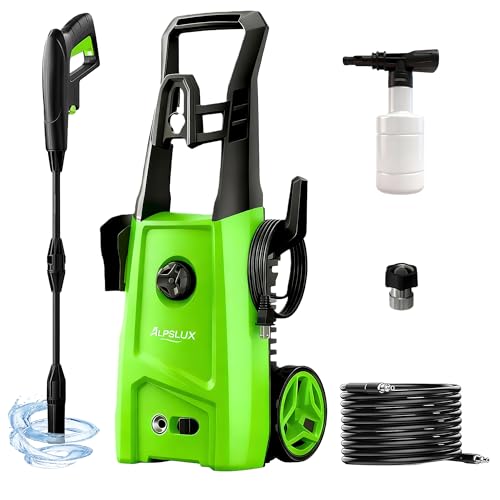
Using a pressure washer to clean your outdoor surfaces can make your cleaning tasks faster and more efficient. However, if you’re experiencing issues with your pressure washer not spraying soap, it can be frustrating and hinder your cleaning efforts. There are several possible reasons why your pressure washer may not be dispensing soap, and understanding these causes can help you troubleshoot and fix the problem.
One common reason for a pressure washer not spraying soap is a clogged soap nozzle or injector. Over time, soap residues or debris can accumulate in the nozzle or injector, obstructing the flow of soap. To fix this issue, you can remove the nozzle or injector and clean it thoroughly. Use a small brush or needle to remove any clogs or obstructions, ensuring that the soap can flow freely.
Another possible cause is a faulty soap injection system. Some pressure washers have a separate soap tank or container from which the soap is drawn and mixed with water. If the soap injection system is not functioning properly, it may not be able to draw the soap from the container and mix it with water. Check the soap injection valve or nozzle for any signs of damage or blockage, and replace or clean it if necessary.
Common Issues with Pressure Washer Soap Dispensing
When using a pressure washer, it is important to have a functioning soap dispensing system in order to effectively clean surfaces. However, there are several common issues that can arise with pressure washer soap dispensing. Understanding these issues can help troubleshoot and resolve any problems you may encounter.
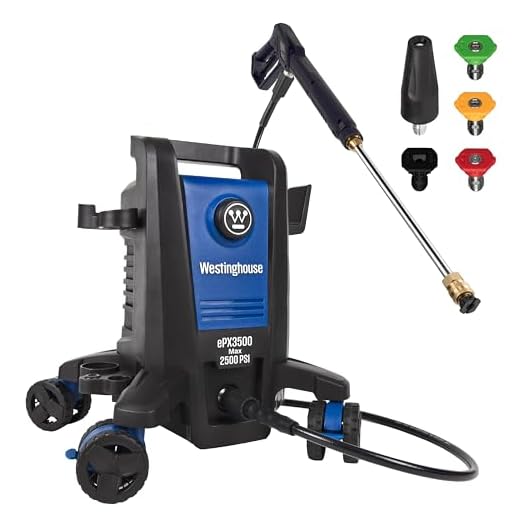

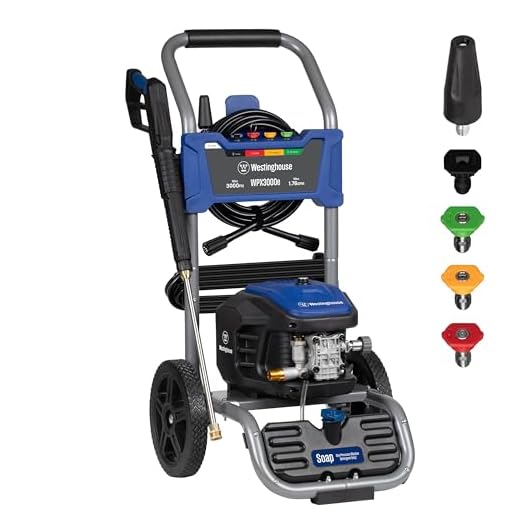

Clogged soap nozzle: One common issue is a clogged soap nozzle. Over time, soap residue or debris can build up in the nozzle, preventing the soap from flowing properly. To fix this, remove the nozzle and clean it thoroughly with water or a small brush.
Faulty soap injector: Another issue could be a faulty soap injector. The soap injector is responsible for mixing the detergent with the water and delivering it to the pressure washer. If this component is not working correctly, the soap will not be dispensed. Inspect the soap injector for any damage or blockages, and replace it if necessary.
Low water pressure: Low water pressure can also affect the ability of the pressure washer to dispense soap. Make sure that the water source is providing enough pressure for the soap to be mixed properly. Check the water inlet filter for any blockages and clean or replace it as needed.
Incorrect soap dilution: Using an improper soap dilution can result in the soap not being dispensed correctly. Follow the manufacturer’s instructions for diluting the soap, as using too much or too little can affect the performance of the pressure washer. Adjust the soap mixture accordingly to ensure proper dispensing.
Damaged soap hose: If the soap hose is damaged or kinked, it can prevent the soap from flowing properly. Inspect the hose for any cracks, leaks, or blockages. Replace the hose if necessary.
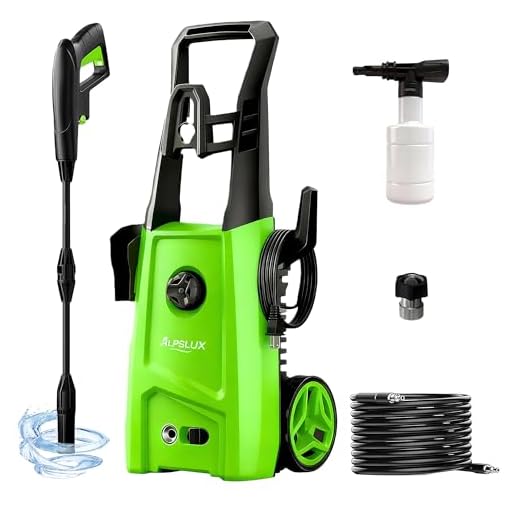
By addressing these common issues with pressure washer soap dispensing, you can ensure that your pressure washer is functioning properly and effectively cleaning surfaces.
Lack of Soap Dilution
One possible reason why your pressure washer may not be spraying soap is because the soap is not properly diluted. When using a pressure washer, it’s important to dilute the soap according to the manufacturer’s instructions. If the soap is not diluted correctly, it can clog the nozzle or the soap injection system, preventing it from flowing properly.
To ensure proper soap dilution, carefully measure the amount of soap recommended by the manufacturer and mix it with the appropriate amount of water. Avoid using too much soap, as this can lead to excessive foam and potential clogging. On the other hand, using too little soap may result in insufficient cleaning power. It’s important to find the right balance for effective cleaning.
If you’re unsure about the proper soap dilution, refer to the instruction manual or contact the manufacturer for guidance. They can provide specific recommendations based on the model and type of pressure washer you’re using.
Regularly check the soap intake system and nozzle for any blockages or buildup. Clean them thoroughly if necessary, following the manufacturer’s instructions. By ensuring proper soap dilution and maintaining a clean soap injection system, you can ensure that your pressure washer sprays soap effectively for optimal cleaning performance.
Clogged Soap Nozzle or Filter
If your pressure washer is not spraying soap, it could be due to a clogged soap nozzle or filter. The soap nozzle is responsible for mixing the detergent with water to create the soapy solution needed for cleaning. Over time, soap residue or debris can accumulate and clog the nozzle, preventing it from spraying properly.
To check if the soap nozzle is clogged, remove it from the pressure washer wand and inspect it for any visible blockages. If you see any debris or soap residue, try cleaning it by rinsing it with warm water or using a small wire or needle to clear the blockage. Be careful not to damage the nozzle while cleaning.
In addition to a clogged soap nozzle, a clogged soap filter can also prevent the washer from spraying soap. The soap filter is usually located at the end of the detergent suction tube or inside the detergent tank. It filters out any large particles or debris from entering the system.
To check the soap filter, remove it from the detergent suction tube or detergent tank and inspect it for any clogs. If it is dirty or clogged, clean it by rinsing it with warm water or using a small brush to remove any debris. If the filter is damaged or worn out, consider replacing it with a new one.
Regular maintenance and cleaning of the soap nozzle and filter can help ensure proper soap flow and prevent clogs. It is also important to use the correct type and concentration of detergent suitable for your pressure washer.
Low Water Pressure
If your pressure washer is not spraying soap, one possible reason could be low water pressure. Low water pressure can prevent the detergent from being properly dispensed through the pressure washer nozzle.
Here are a few things you can check if you suspect low water pressure:
- Water Supply: Make sure that there is sufficient water supply to the pressure washer. Check that the water source valve is fully open and that there are no kinks or blockages in the hose.
- Water Filter: The pressure washer may have a water filter that can become clogged with debris over time. Check the filter and clean or replace it if necessary.
- Hose Diameter: Using a hose with a smaller diameter than recommended can restrict water flow and result in low water pressure. Make sure you are using a hose with the proper diameter for your pressure washer.
- Nozzle Size: The size of the nozzle can also affect water pressure. If you are using a nozzle with a smaller orifice, it can decrease the water flow and result in low pressure. Consider using a larger nozzle size to increase water flow.
If you have checked all these factors and are still experiencing low water pressure, it may be worth contacting the manufacturer or a professional for further assistance. They may be able to guide you through troubleshooting steps specific to your pressure washer model.
Questions and answers
Why isn’t my pressure washer spraying soap?
There are a few possible reasons why your pressure washer isn’t spraying soap. First, check that the soap nozzle is properly attached and that it hasn’t been clogged with debris. Second, ensure that the soap dispenser is filled with soap and that the soap selector knob is turned on. Finally, verify that the water pressure is sufficient to draw the soap into the system.
I have filled the soap dispenser and turned the knob on, but my pressure washer still won’t spray soap. What should I do?
If your pressure washer still won’t spray soap after following the previous steps, try cleaning the soap nozzle with a small pin to remove any clogs. Additionally, check the hoses and connections for any blockages that may be preventing the soap from reaching the nozzle. If the issue persists, you may need to contact a professional for further troubleshooting.

My pressure washer used to spray soap, but it suddenly stopped working. What could be the cause?
If your pressure washer used to spray soap but has suddenly stopped working, there may be a problem with the soap dispenser itself. Check for any cracks or leaks in the dispenser and replace it if necessary. It’s also possible that there is an issue with the soap intake valve or the pump. In such cases, it’s best to consult a professional for repair or replacement.
I’ve tried all the troubleshooting steps, but my pressure washer still won’t spray soap. What else can I do?
If you’ve exhausted all the troubleshooting steps and your pressure washer still won’t spray soap, it’s recommended to check the user manual for any specific instructions or contact the manufacturer for further assistance. They may be able to provide additional guidance or suggest a solution based on the specific model of your pressure washer.
Can I use regular dish soap or laundry detergent in a pressure washer?
No, it’s not recommended to use regular dish soap or laundry detergent in a pressure washer. These soaps can create excessive foam and may not be compatible with the materials used in the pressure washer’s pump or other components. It’s best to use a soap specifically formulated for pressure washers to ensure optimal performance and avoid any potential damage.
Why isn’t my pressure washer spraying soap?
There could be several reasons why your pressure washer is not spraying soap. First, make sure that the soap nozzle is installed correctly and that the soap container is filled with soap. If these are in order, check the soap intake filter to ensure it is not clogged. Additionally, ensure that there is enough water pressure coming into the pressure washer, as low water pressure can affect the soap spray. If these steps do not solve the issue, it may be necessary to consult the user manual or contact customer support for further assistance.